Friday, April 17, 2026
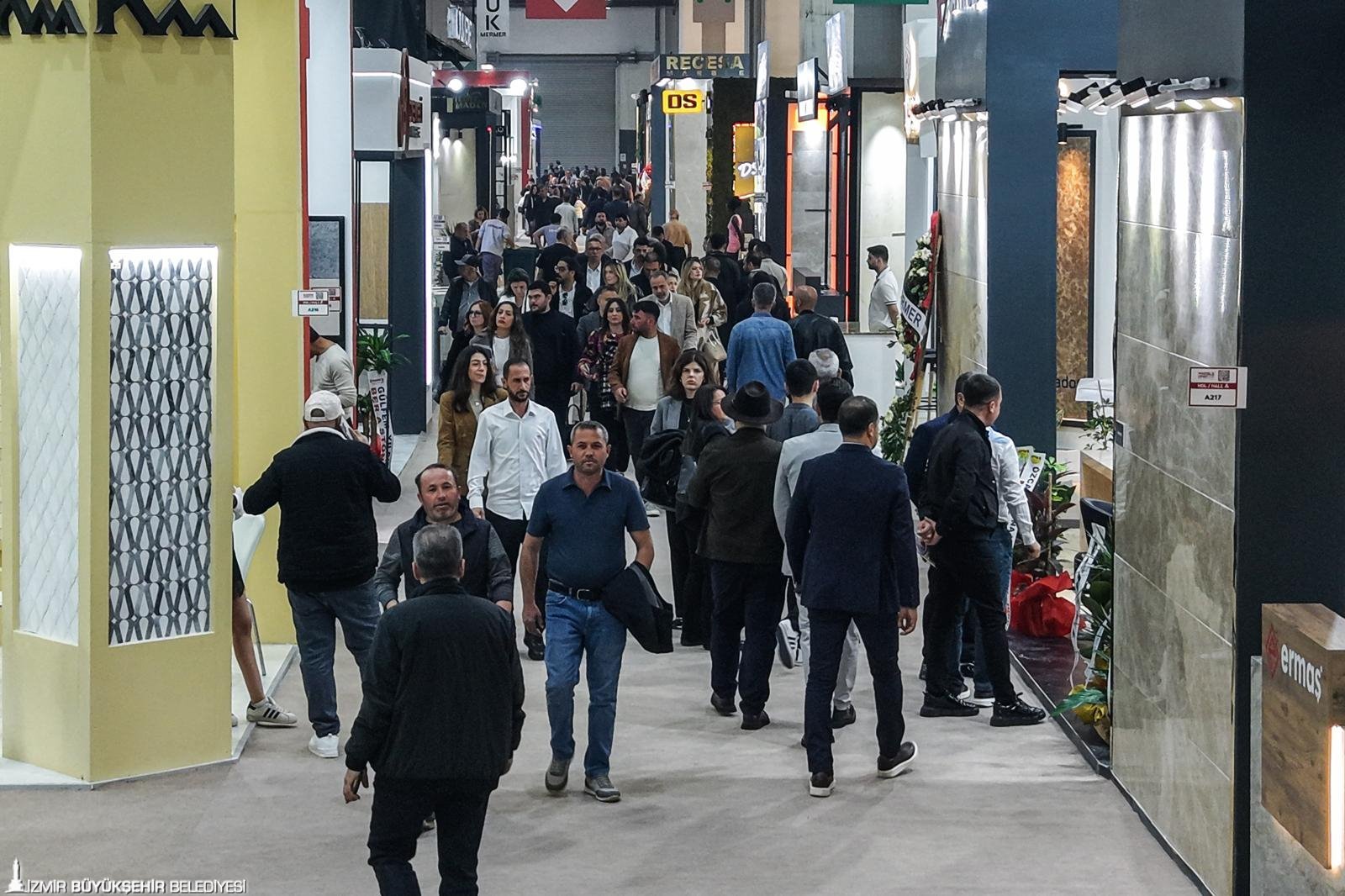
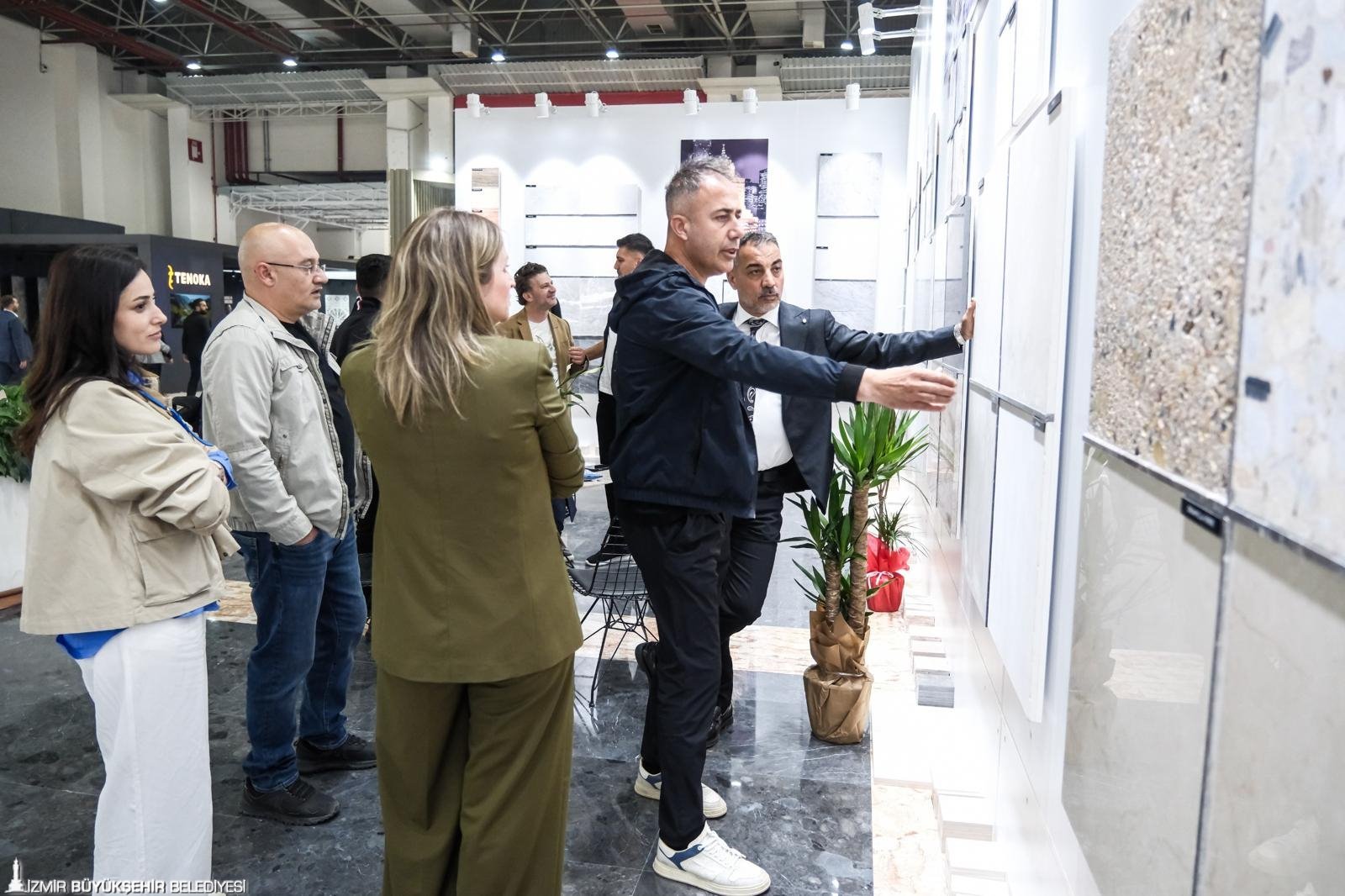
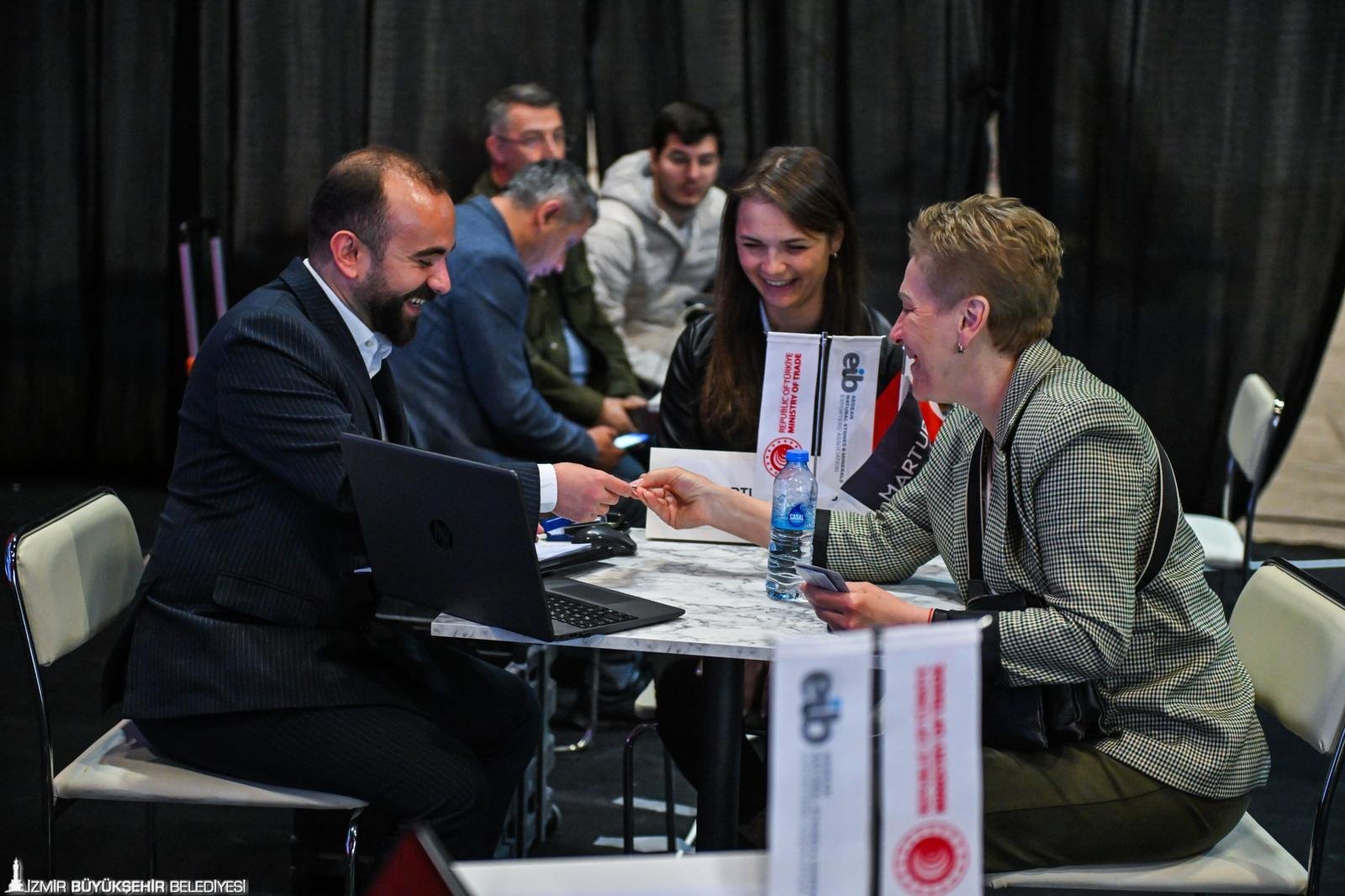
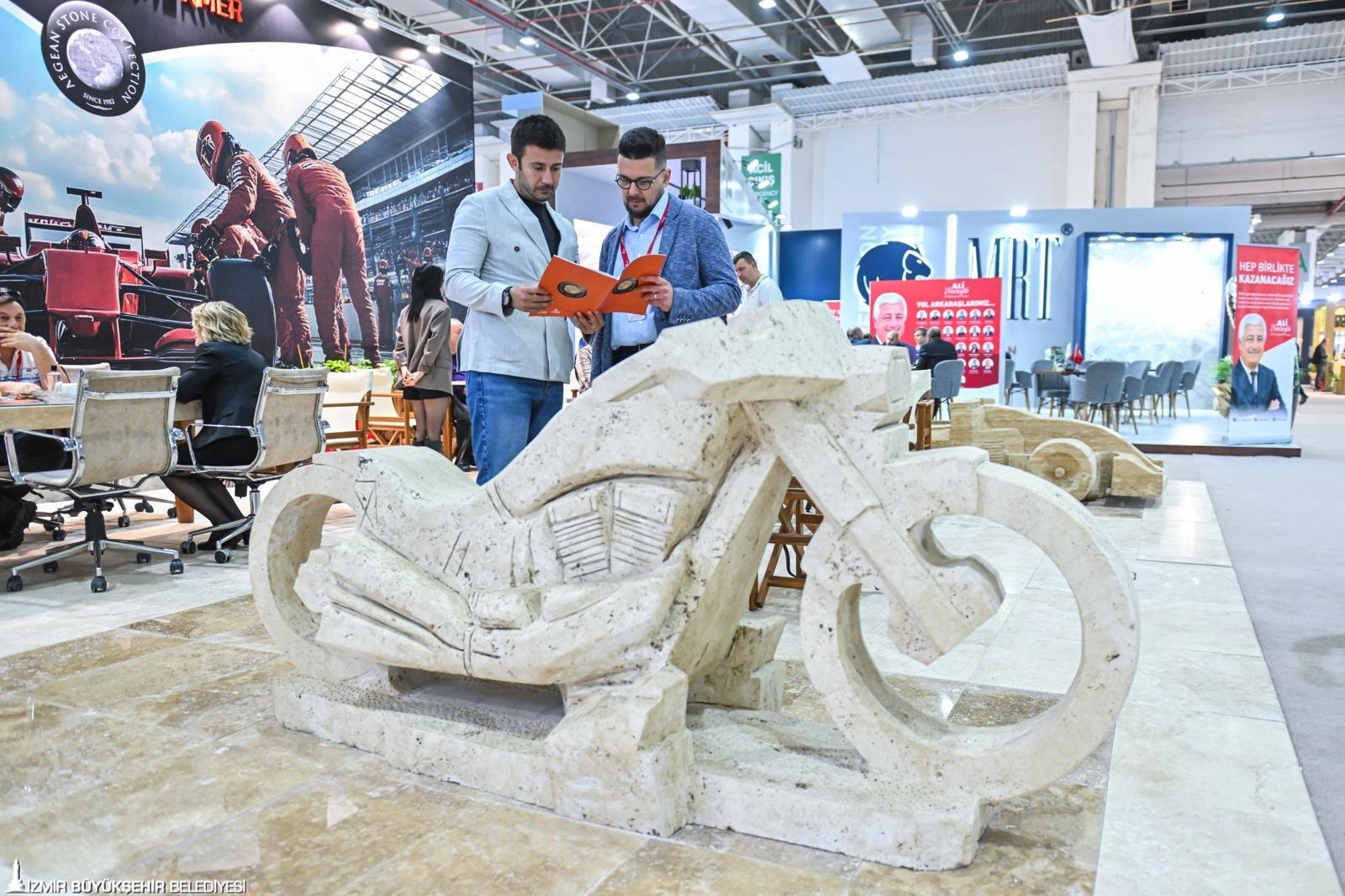
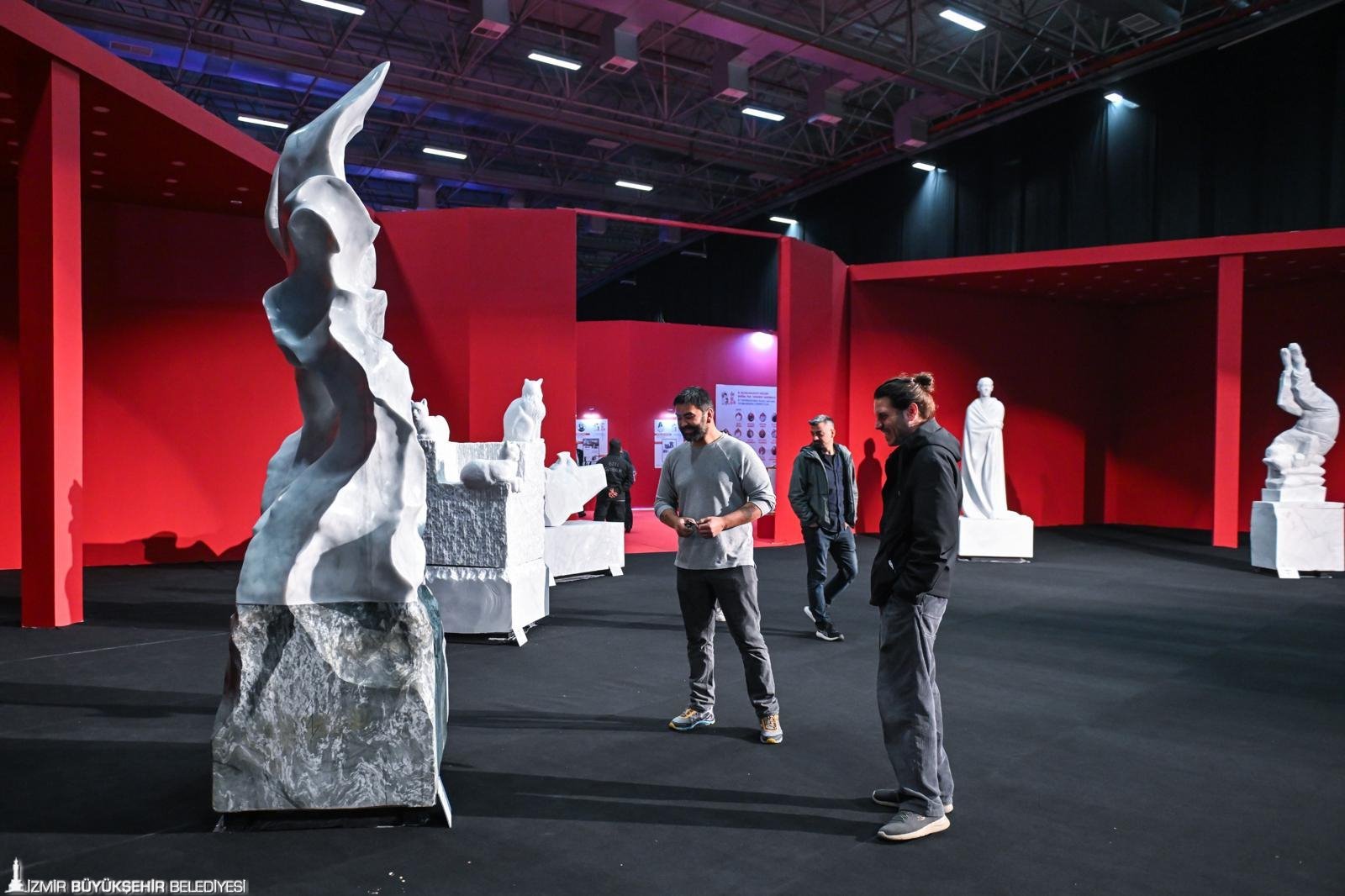
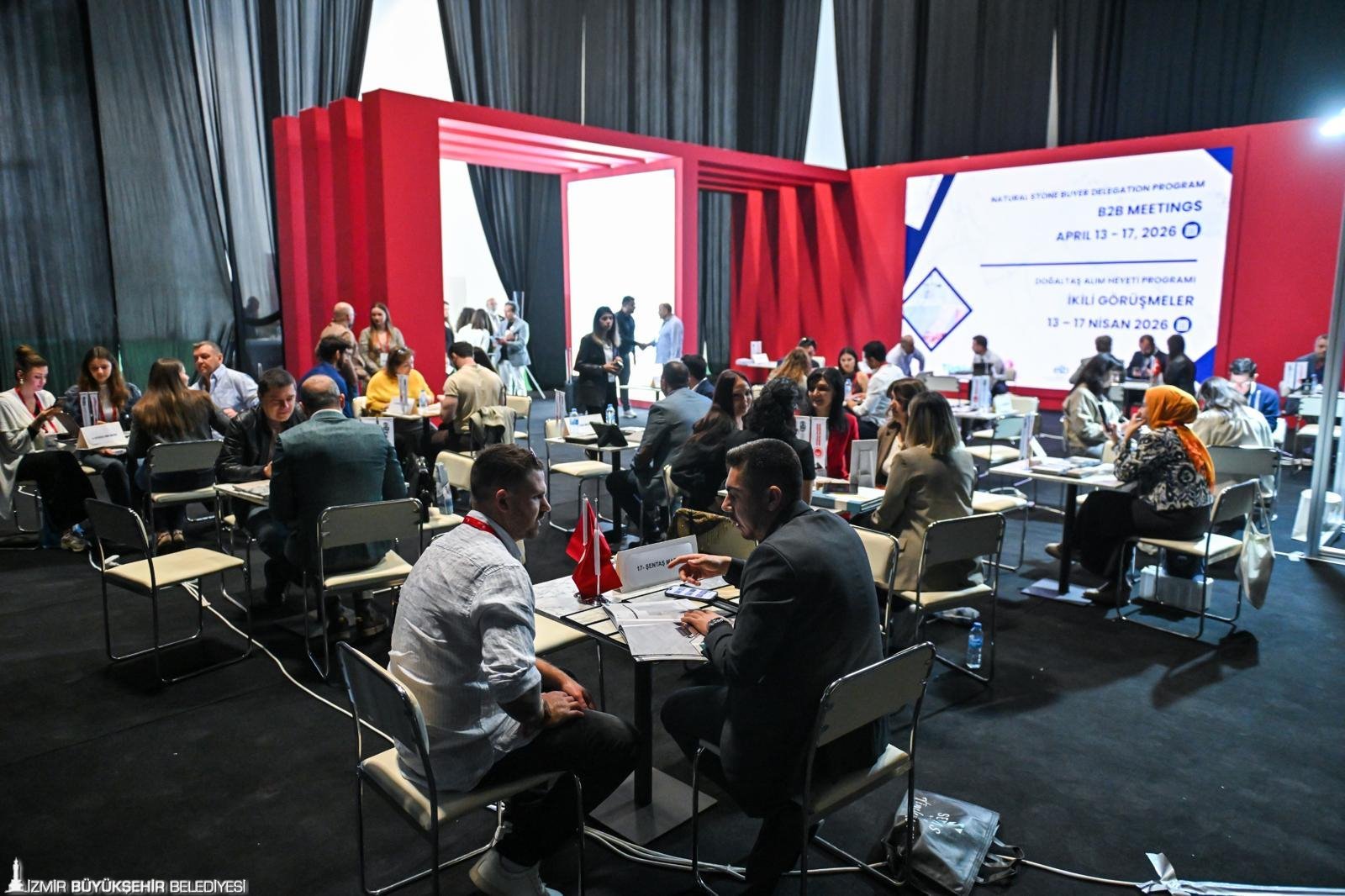
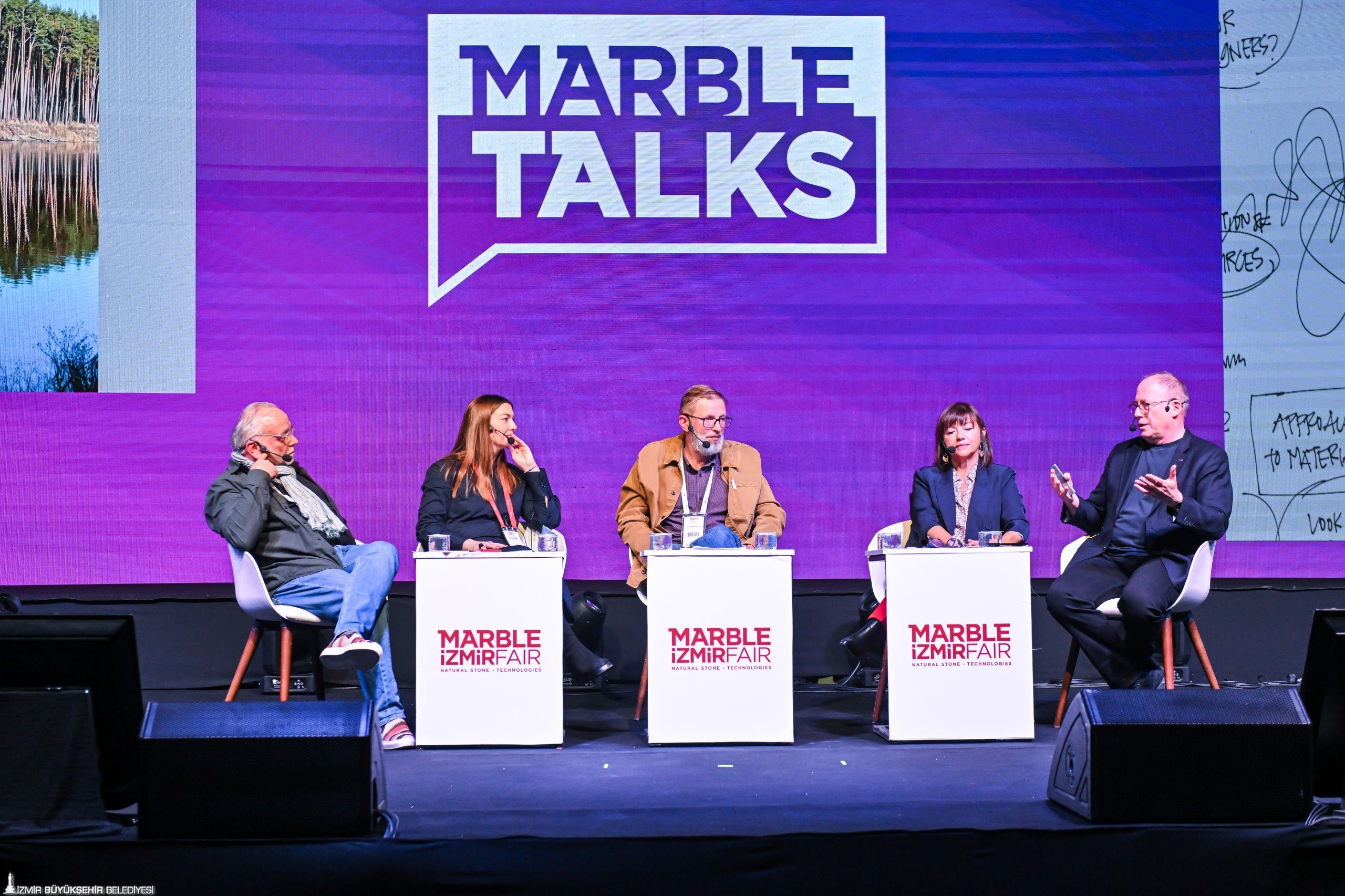
Marble İzmir – 31st International Natural Stone and Technologies Fair continues to attract significant attention not only with nearly a thousand exhibitors, thousands of professional visitors from over 100 countries, and the trade volume it generates, but also with its Marble Talks sessions. Held at the D Hall D-Design Arena stage, these sessions bring together architects, interior architects, designers, and academics to share their knowledge and experiences on the use of natural stone in architectural projects.
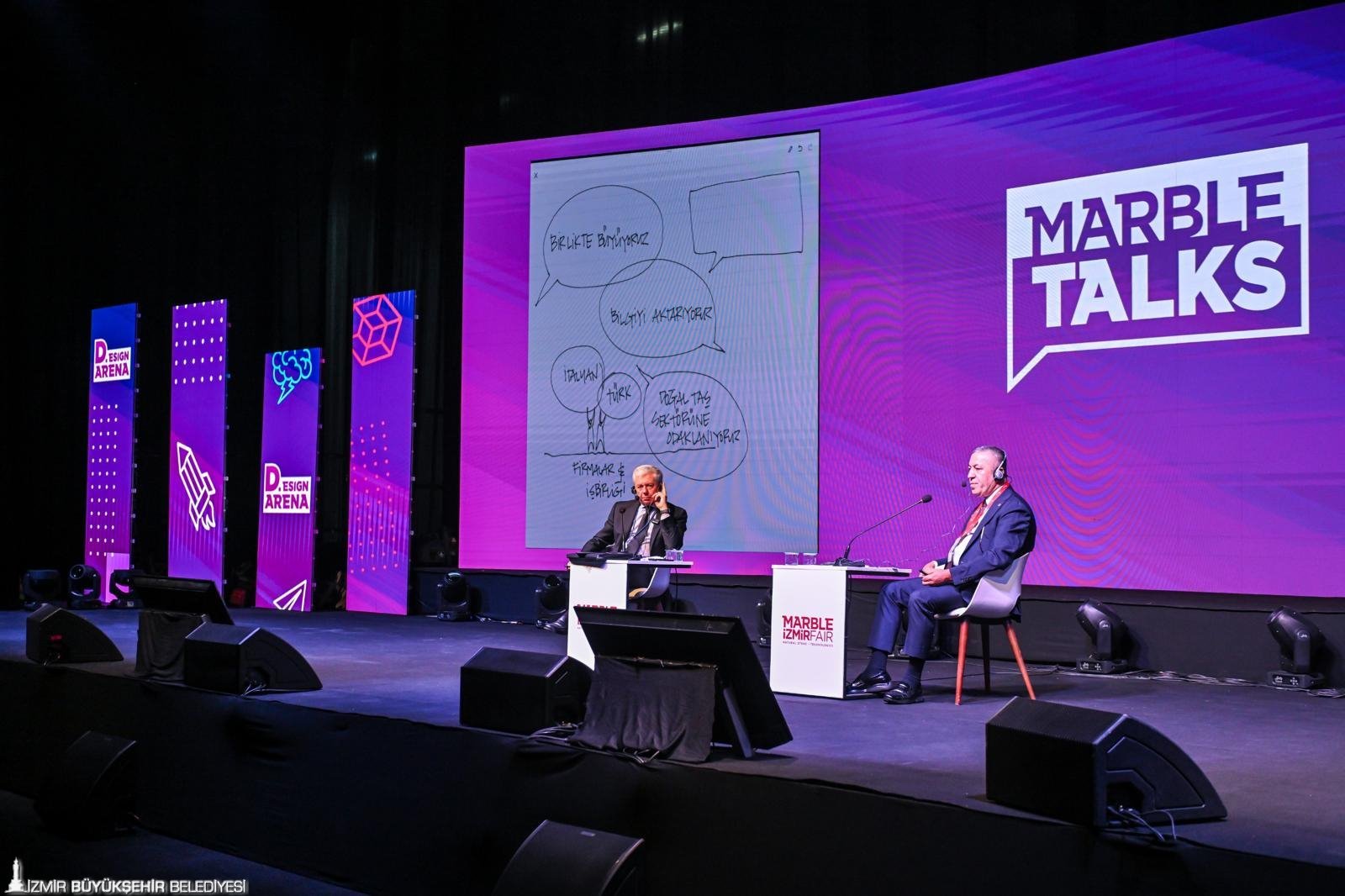
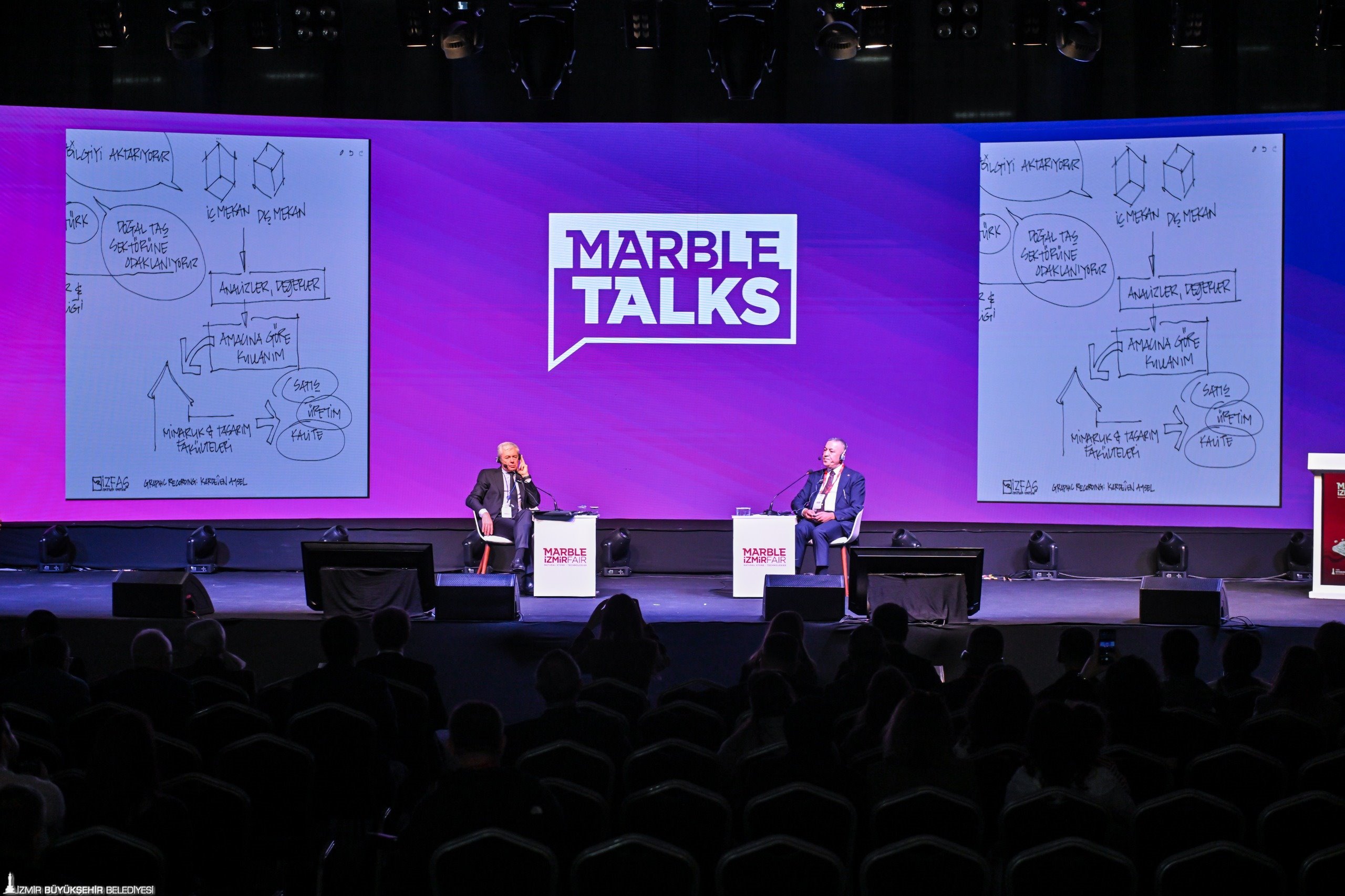
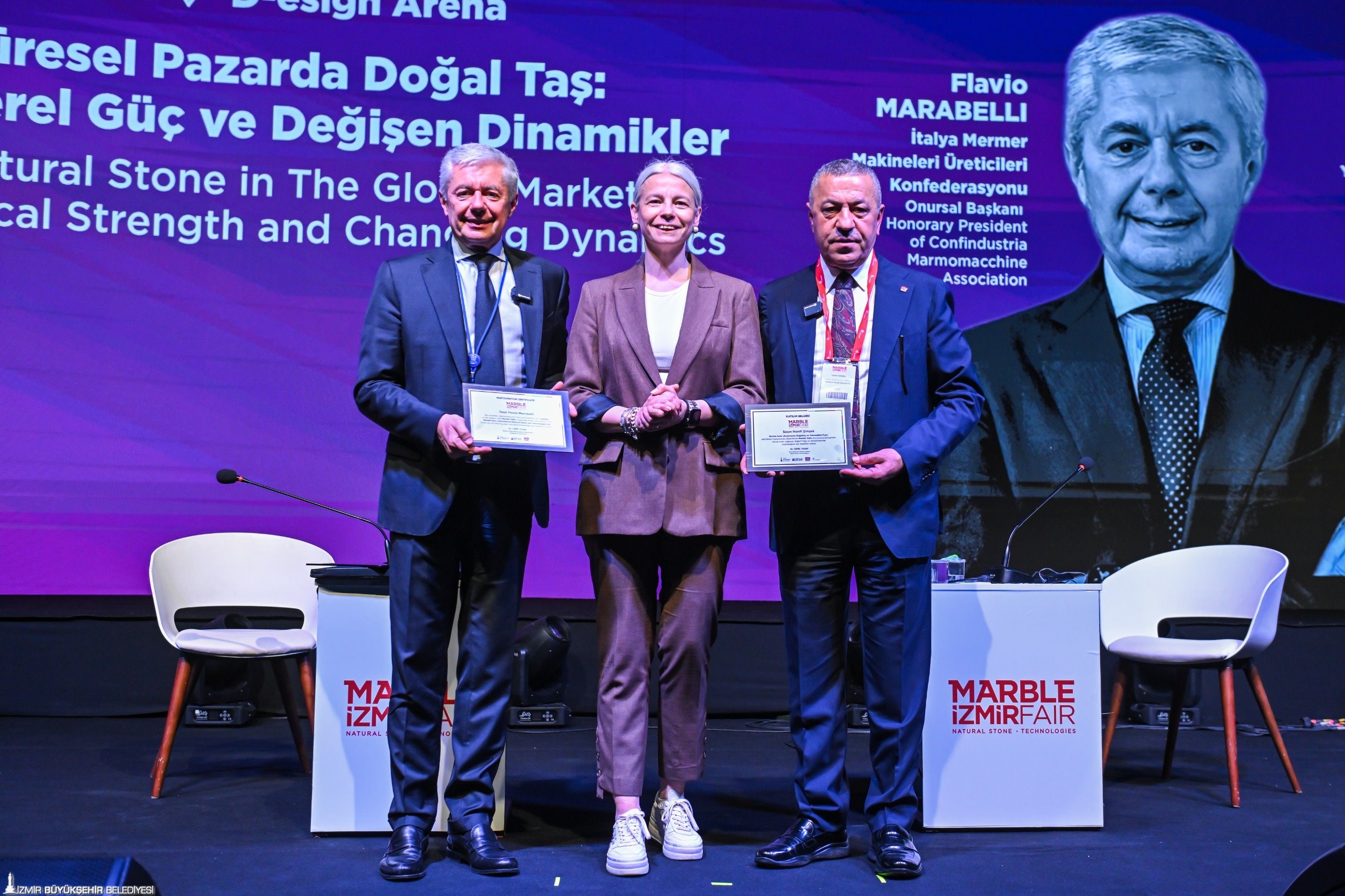
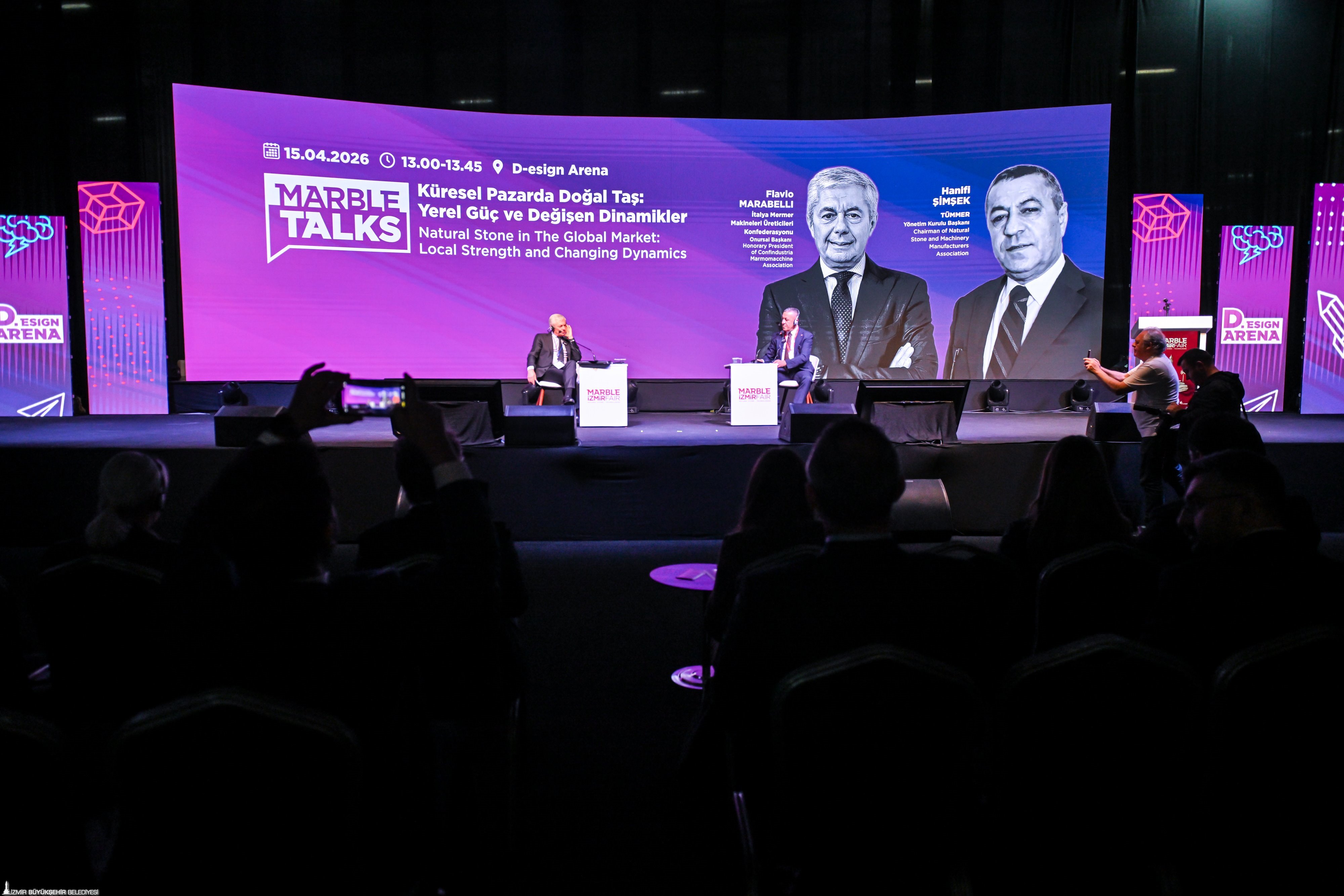
Hosted by İzmir Metropolitan Municipality and organized by İZFAŞ, one of the prominent Marble Talks sessions brought together two key players of the global natural stone industry—Türkiye and Italy—on the same stage. In the session titled “Natural Stone in the Global Market: Local Strength and Changing Dynamics,” Hanifi Şimşek, Chairman of the Board of TÜMMER, and Flavio Marabelli, Honorary President of the Italian Marble Machinery Manufacturers Confederation, shared their insights on the current state and future of the sector.
Emphasis on value, cooperation, and competition in the global market
Sharing data on the global market, Flavio Marabelli highlighted the importance of value-added products, stating: “Stone comes out of the quarry, but that is not where its real value is created. Today, the issue is not how much we produce, but how we add value to the product. Processed products, technology, and design have become decisive factors.”
Referring to developments in global trade, Marabelli noted that increasing tariffs, trade barriers, and geopolitical developments directly affect the sector, adding that changes in markets such as the United States and Gulf countries complicate trade flows and sectoral relations. Emphasizing the need for collective action regardless of national distinctions, he stated: “The natural stone industry inherently operates with an international production model. In a single project, stones, technologies, and applications from different countries can come together. This is already the essence of collaborative production. It is not appropriate for countries to position each other as competitors. The real issue should be acting together against imitation products.” He also stressed the importance of communicating the sustainability, cultural value, and authenticity of natural stone.
“Decisive for the future of the sector”
Hanifi Şimşek underlined Türkiye’s position in the natural stone sector, noting that the country is a strong global supplier thanks to its rich reserves and high production capacity. Evaluating the sector’s roadmap—particularly its recent increase in processed product exports—Şimşek stated: “We now need to transform this strength into higher added value. To ensure that natural stone is more widely used in projects, we must work more closely with architects and designers. The value of the product is directly related to how much it is integrated into the design process. In this respect, I find this platform at Marble İzmir highly significant.”
Referring to international cooperation, Şimşek also highlighted the importance of the recently established Natural Stone Strategic Alliance (NSSA), noting that this structure—bringing together influential associations from different countries—strengthens the culture of collective action in the sector and will be decisive for its future.
The narrative of natural stone in architecture
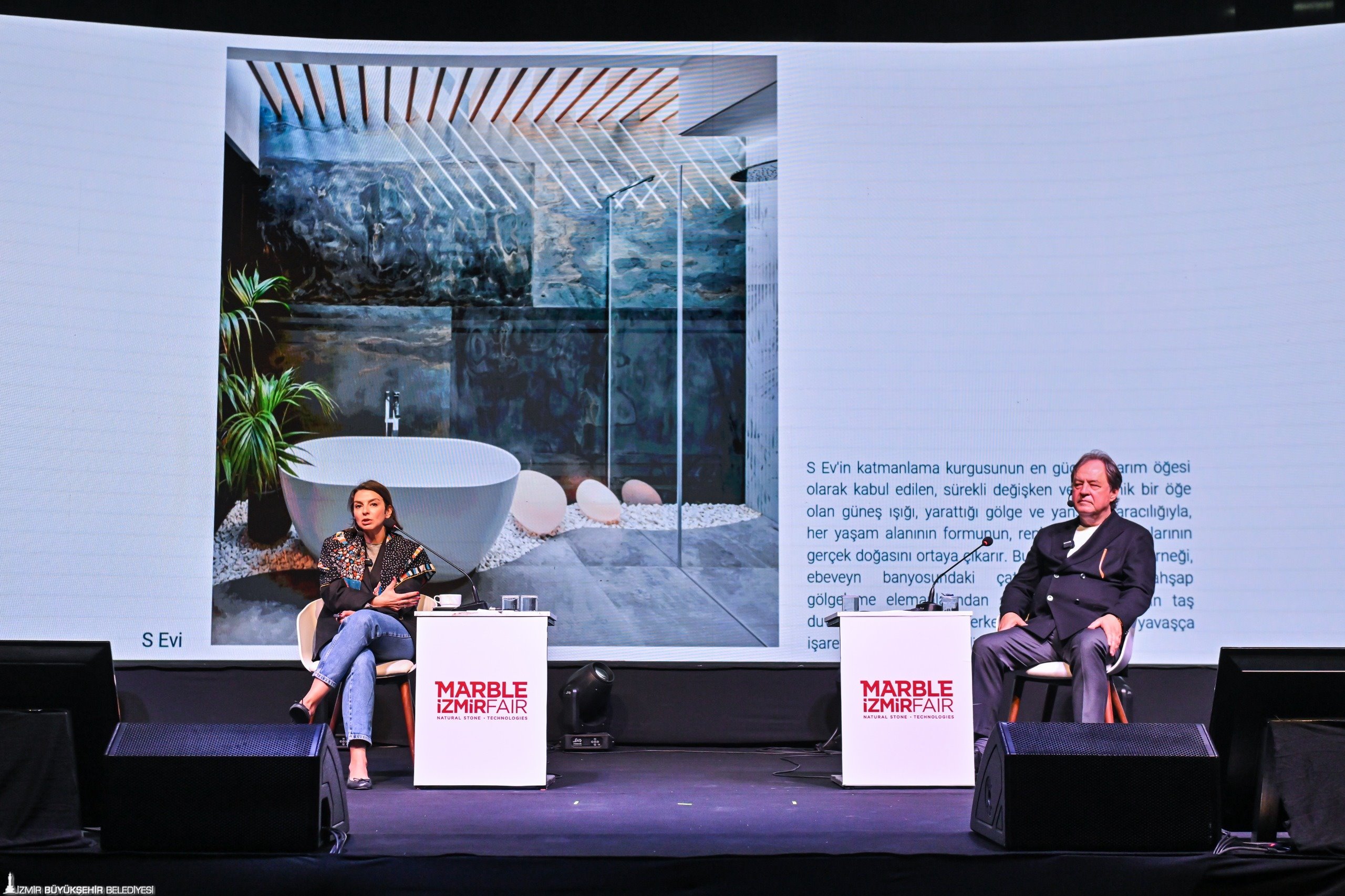
Other sessions of the program addressed the role of natural stone in architecture and design from various perspectives. In the session titled “Natural Stone Stories in Architectural Projects,” moderated by Uğur Onur, Chairman of the İzmir Freelance Architects Association, Architect Melis Varkal participated as a speaker. Uğur Onur emphasized that Marble İzmir is one of the leading fairs at the international level and a source of great pride. He stated: “Many people perceive marble as a cold material, but I see it as both warm and a powerful material that reflects whatever you give to it.”
Melis Varkal, on the other hand, shared insights into her use of natural stone in projects, stating: “When using natural stone, factors such as regional proximity, distance, and locality are decisive for us. We prioritize using the stone of the geography we are in.”
Changing design approaches and the use of natural stone
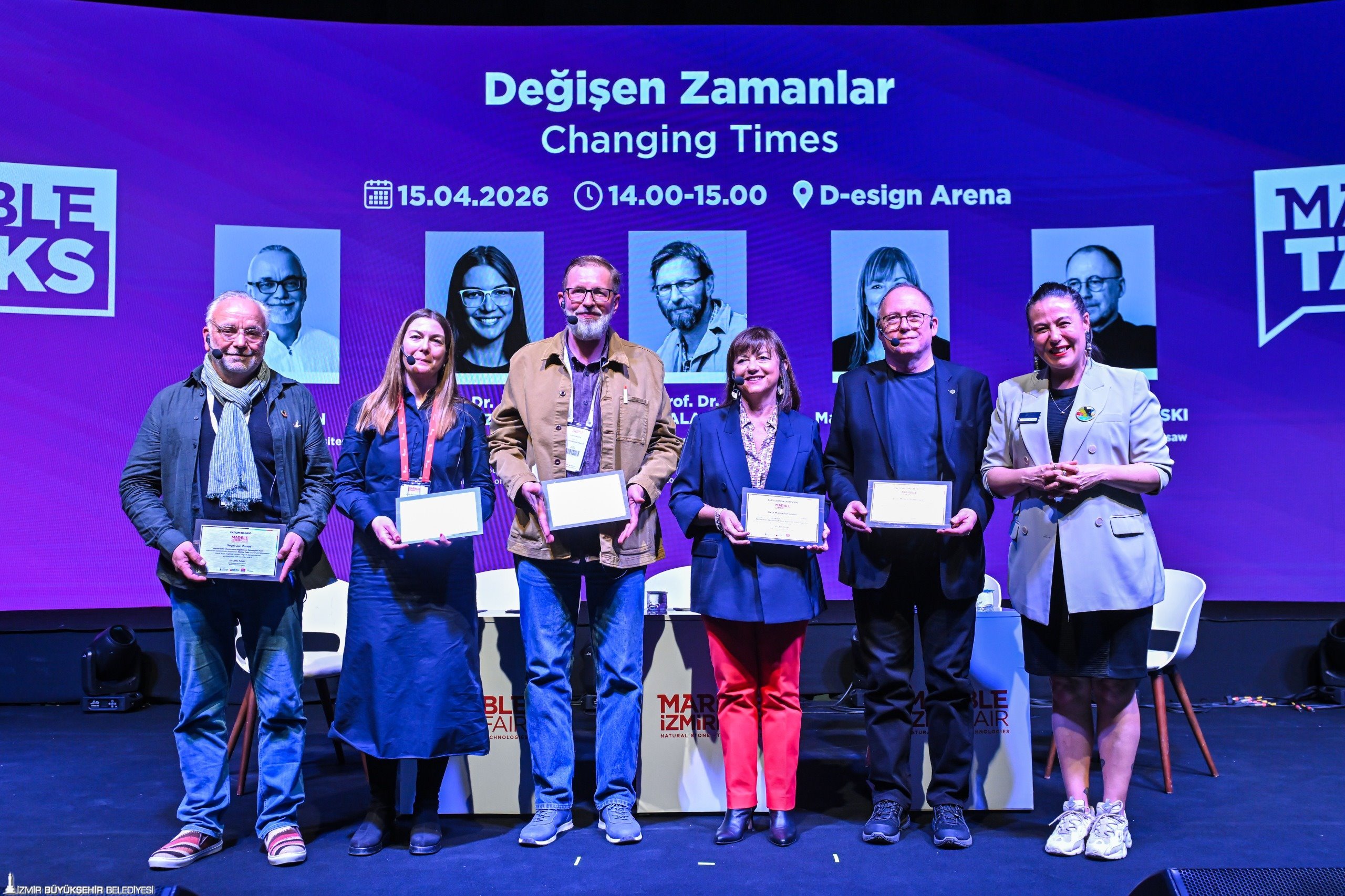
In the session titled “Changing Times,” moderated by Dr. Can Özcan from İzmir University of Economics, speakers included Dr. Despoina Zavraka from Aristotle University of Thessaloniki, Prof. Ilia Palaguta from Saint Petersburg Stieglitz State Academy of Art and Design, Prof. Marinella Ferrara from Politecnico di Milano, and Prof. Michal Stefanowski from the Academy of Fine Arts in Warsaw. The session explored the role of natural stone in architecture and artistic production throughout history, emphasizing its capacity to generate memory, meaning, and experience. It was noted that this relationship is being redefined today, with architects and designers developing research-based, experience-oriented approaches that assign new functions to the material.
The importance of natural stone in architectural history
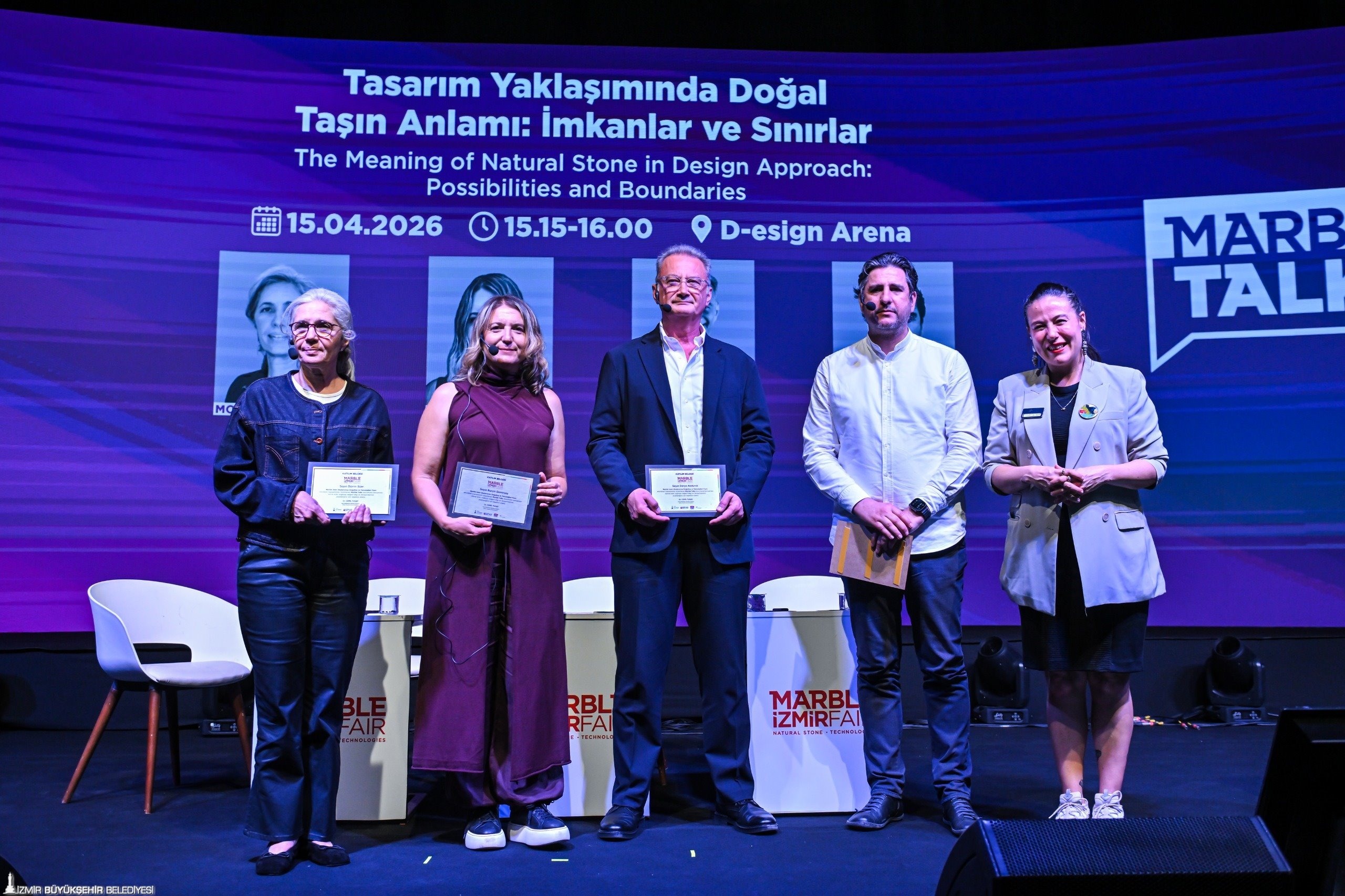
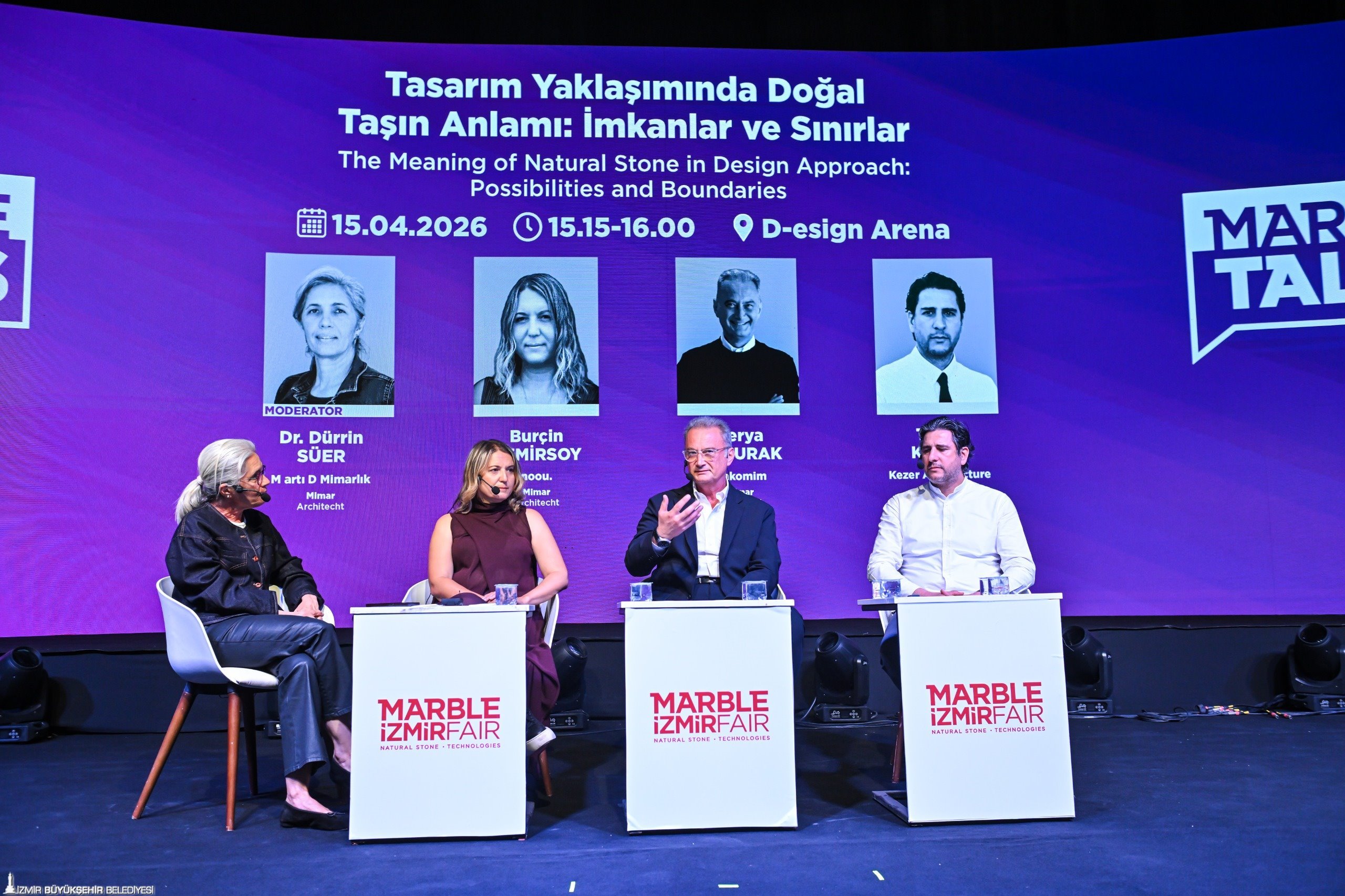
In the session titled “The Meaning, Possibilities, and Limits of Natural Stone in Design Approaches,” moderated by Architect Dr. Dürrin Süer, architects Burçin Demirsoy, Derya Akdurak, and Tolga Kezer participated as speakers. Süer highlighted the historical significance of natural stone in architecture, stating: “Natural stone has been the primary material—from the cavities in caves that first created spaces for humanity to monumental structures that became symbols of civilizations, cities, and nations. It has been the element that creates space.” The session comprehensively addressed the role and possibilities of natural stone in design.
The global potential of Turkish natural stone
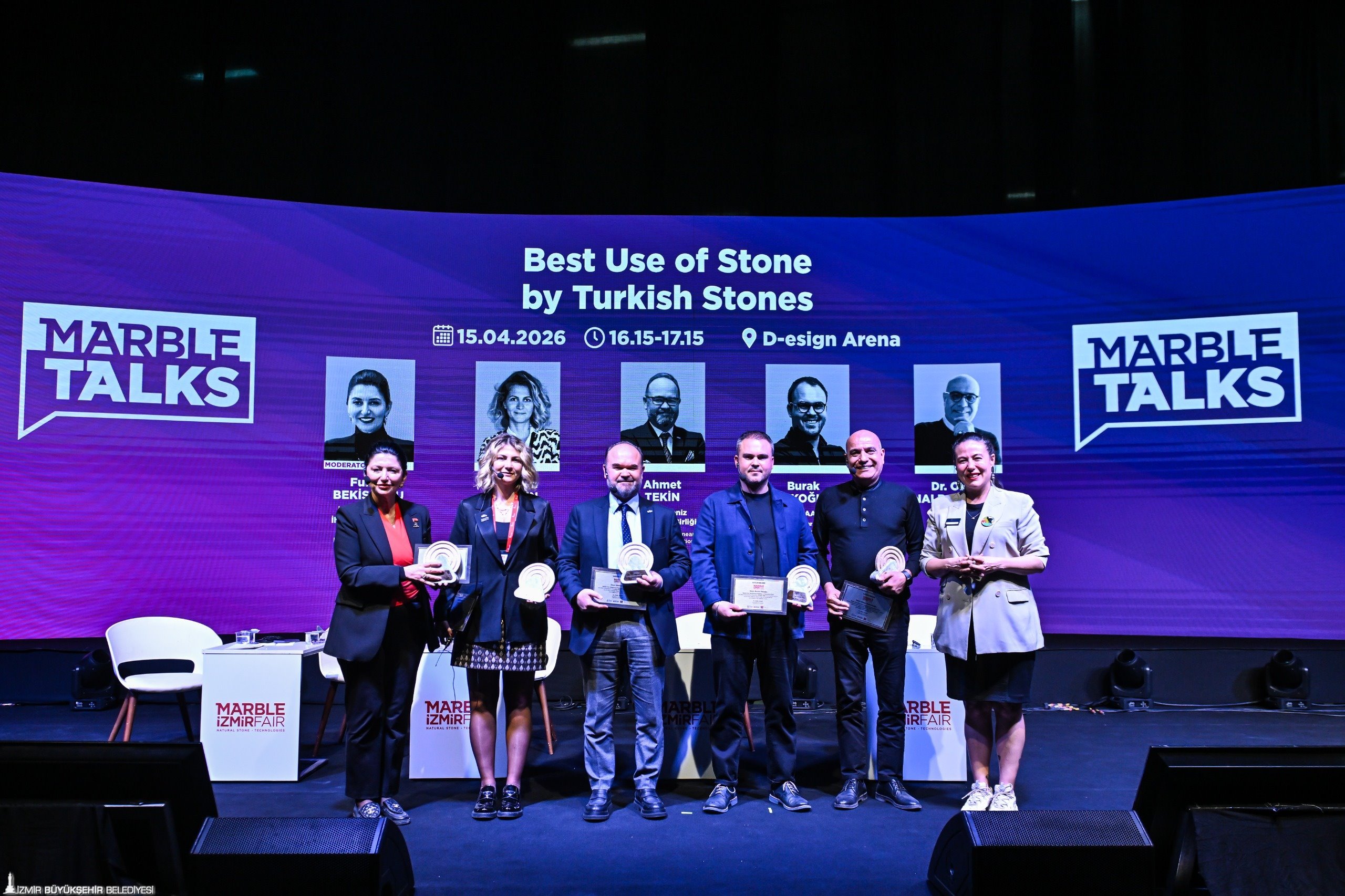
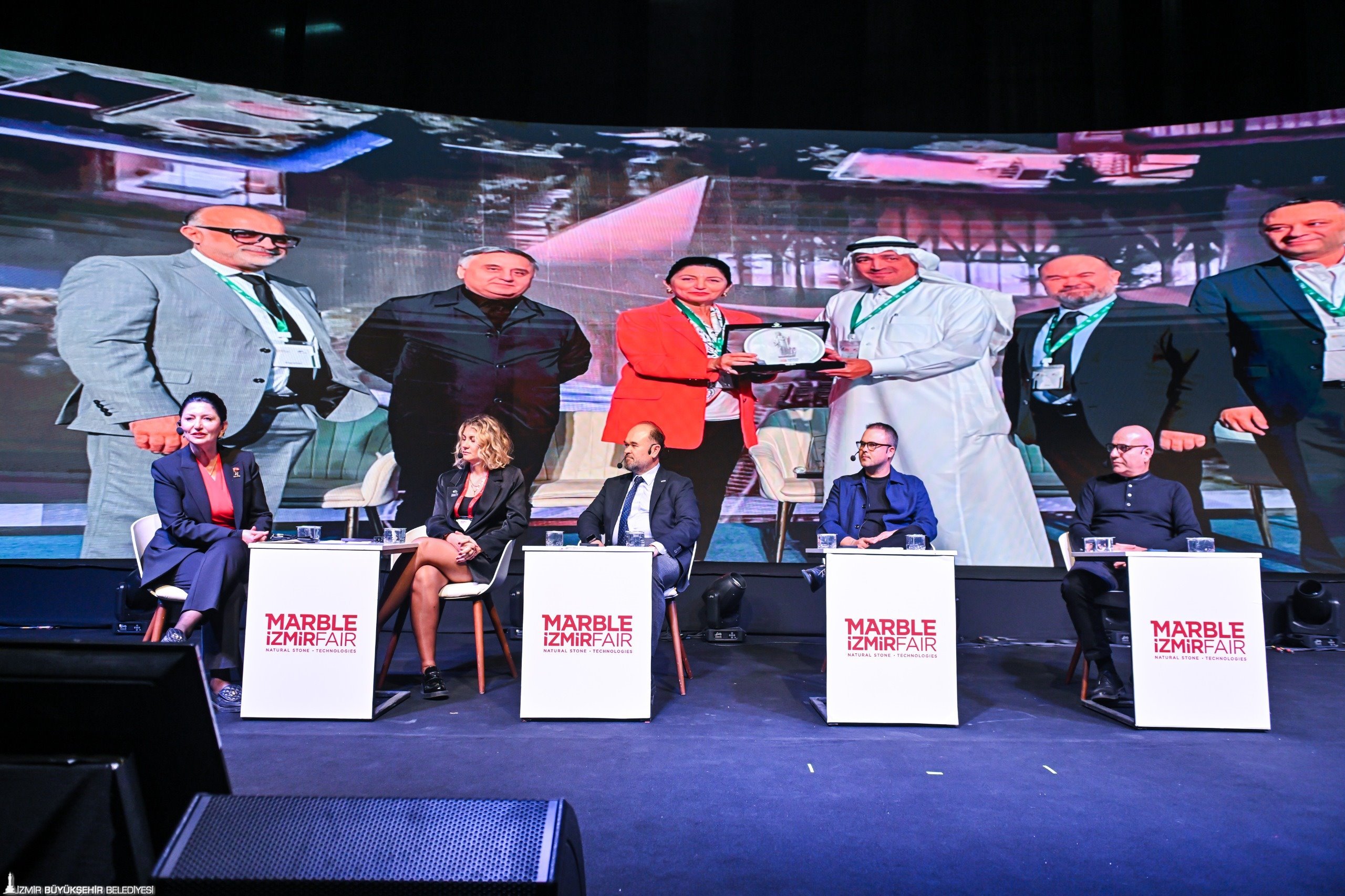
In the session titled “Best Use of Stone with Turkish Stones,” moderated by Funda Bekişoğlu from the İstanbul Mineral Exporters’ Association, speakers included Reyhan Sezgin from the Aegean Mineral Exporters’ Association, Ahmet Tekin from the Western Mediterranean Exporters’ Association, Architect Burak Pekoglu, and Landscape Architect Dr. Oktan Nalbantoğlu. The session emphasized that Türkiye holds a significant position globally with its diversity, quality, and production capacity in natural stone. It was also noted that this potential should be made more visible through design-oriented and value-added projects. Participants underlined that strengthening cooperation between architects, designers, producers, and exporters is critical to enhancing the competitiveness of natural stone in international markets.
İzmir Hosts International Ceramic Workshop
Thursday, October 8, 2026
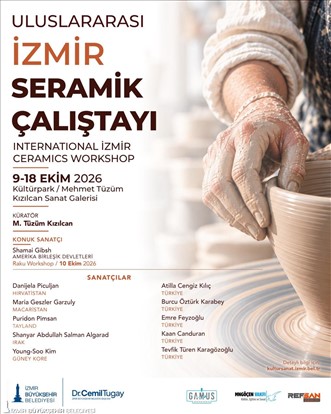
İzmir will bring together artists from around the world for the International İzmir Ceramic Workshop that will take place between October 9 and 18.
Detaya Git
İzmir Comes Together Through the Healing Power of Literature
Tuesday, September 29, 2026
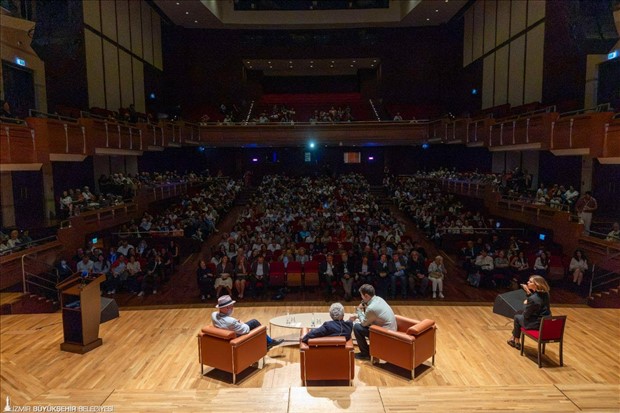
The 10th İzmir International Literature Festival hosted talks, documentary screenings, theater performances, and a variety of artistic events over four days under the theme “Literature Heals”.
Detaya Git
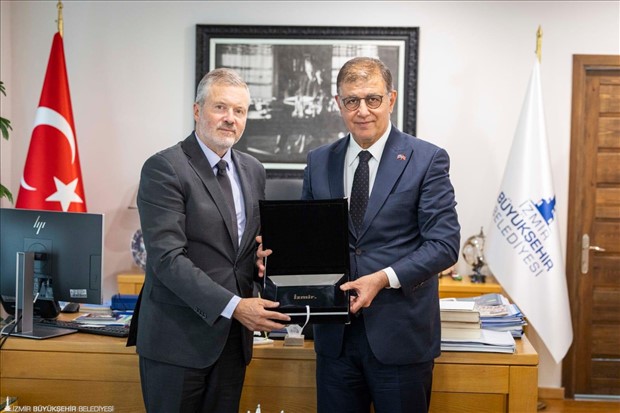
Visit to Mayor Tugay by Gaarder, Ambassador of the Kingdom of Norway to Türkiye
Thursday, September 24, 2026
Mayor of İzmir Metropolitan Municipality Dr. Cemil Tugay welcomed Andreas Gaarder, Ambassador of the Kingdom of Norway to Türkiye, to his office and emphasized the importance of strengthening relations between İzmir and Norwegian cities.
Detaya Git
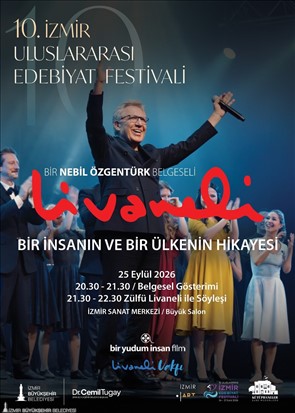
Literary Masters Manguel and Livaneli Will Meet in İzmir
Friday, September 18, 2026
For the past 10 years, İzmir Metropolitan Municipality has brought the international literary community together with the people of İzmir. This year, İzmir International Literature Festival will welcome two of the world’s leading literary figures, Alberto Manguel and Zülfü Livaneli.
Detaya Git


 Information Policies