Thursday, May 7, 2026
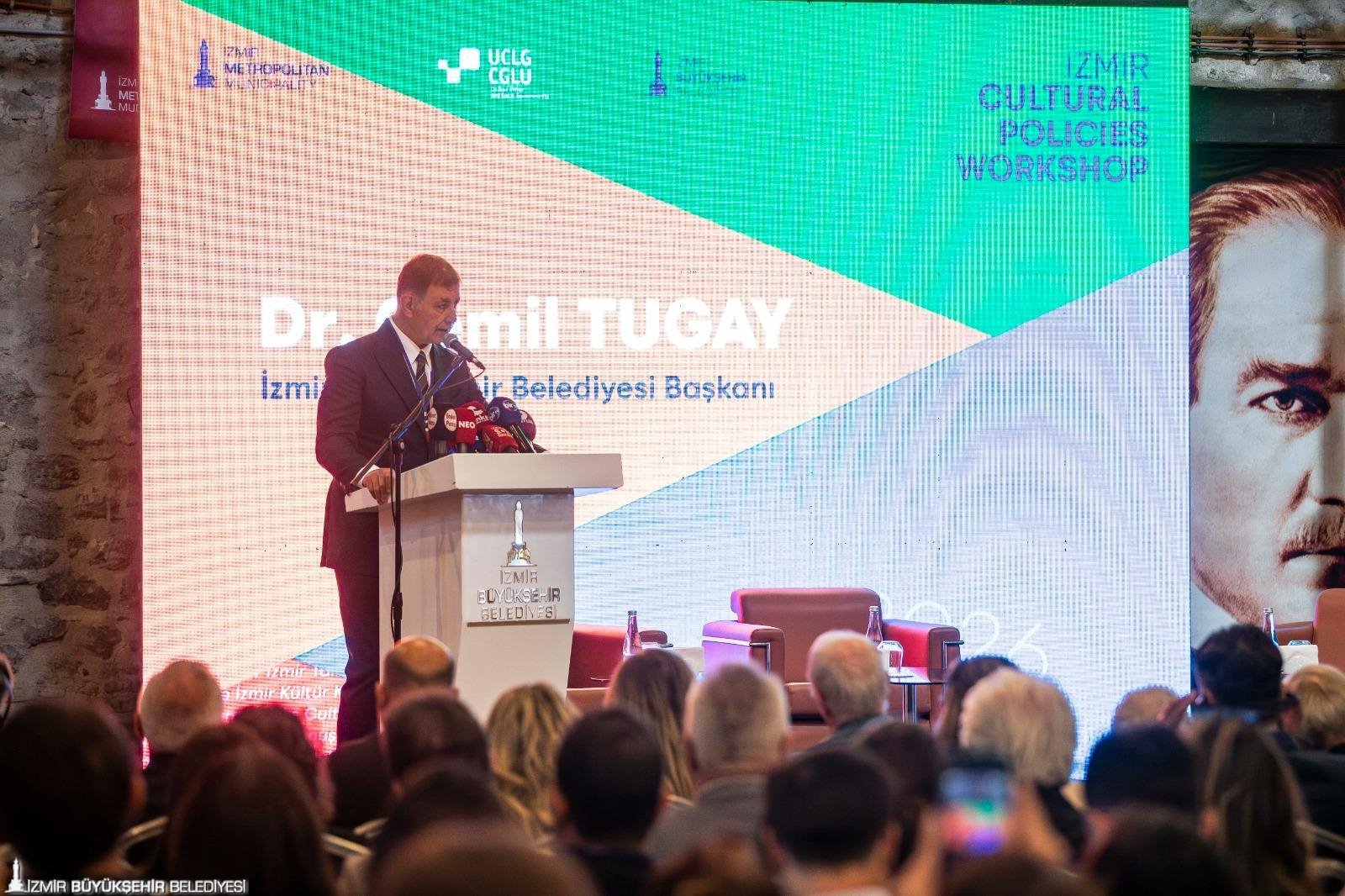
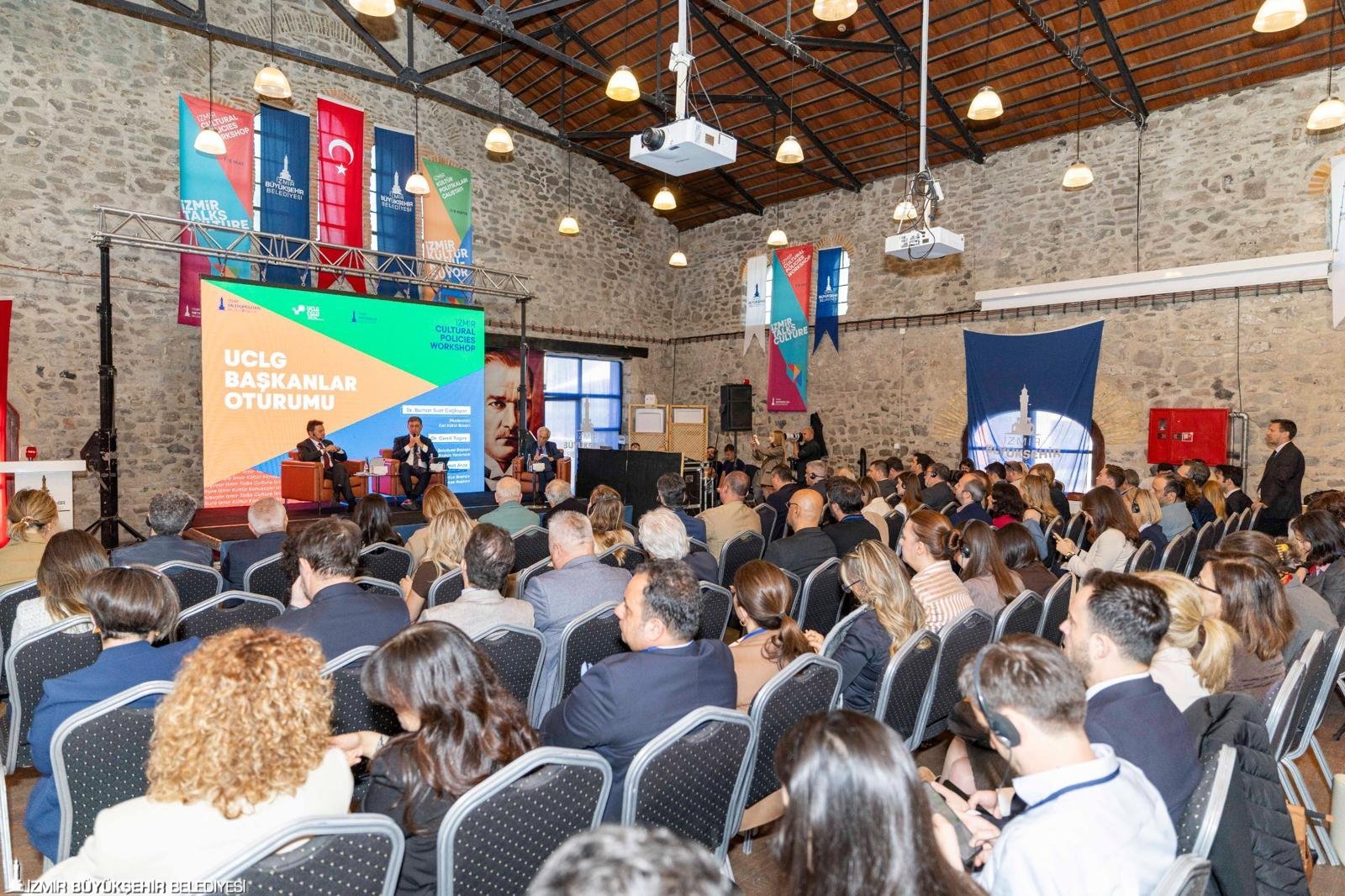
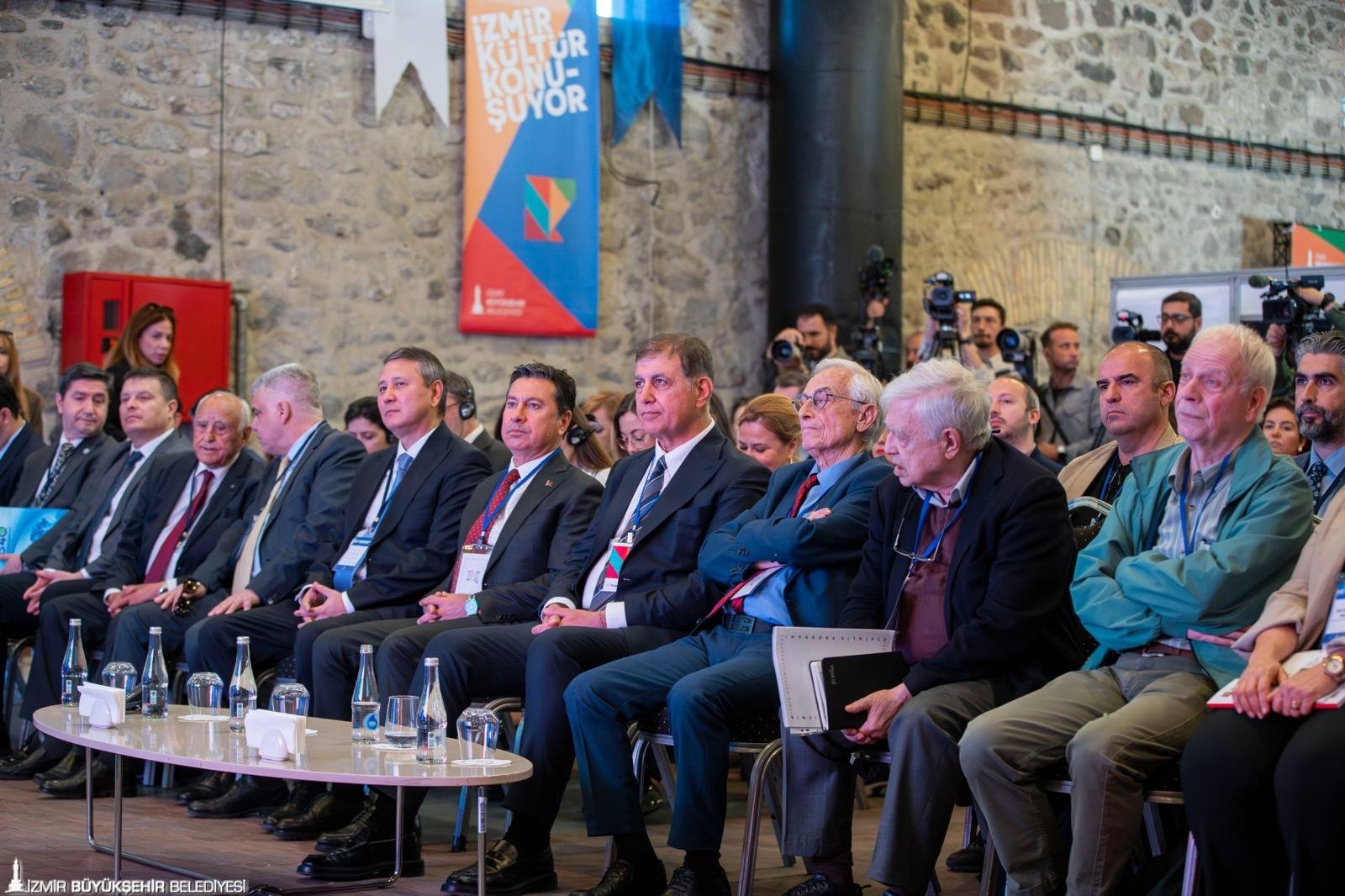
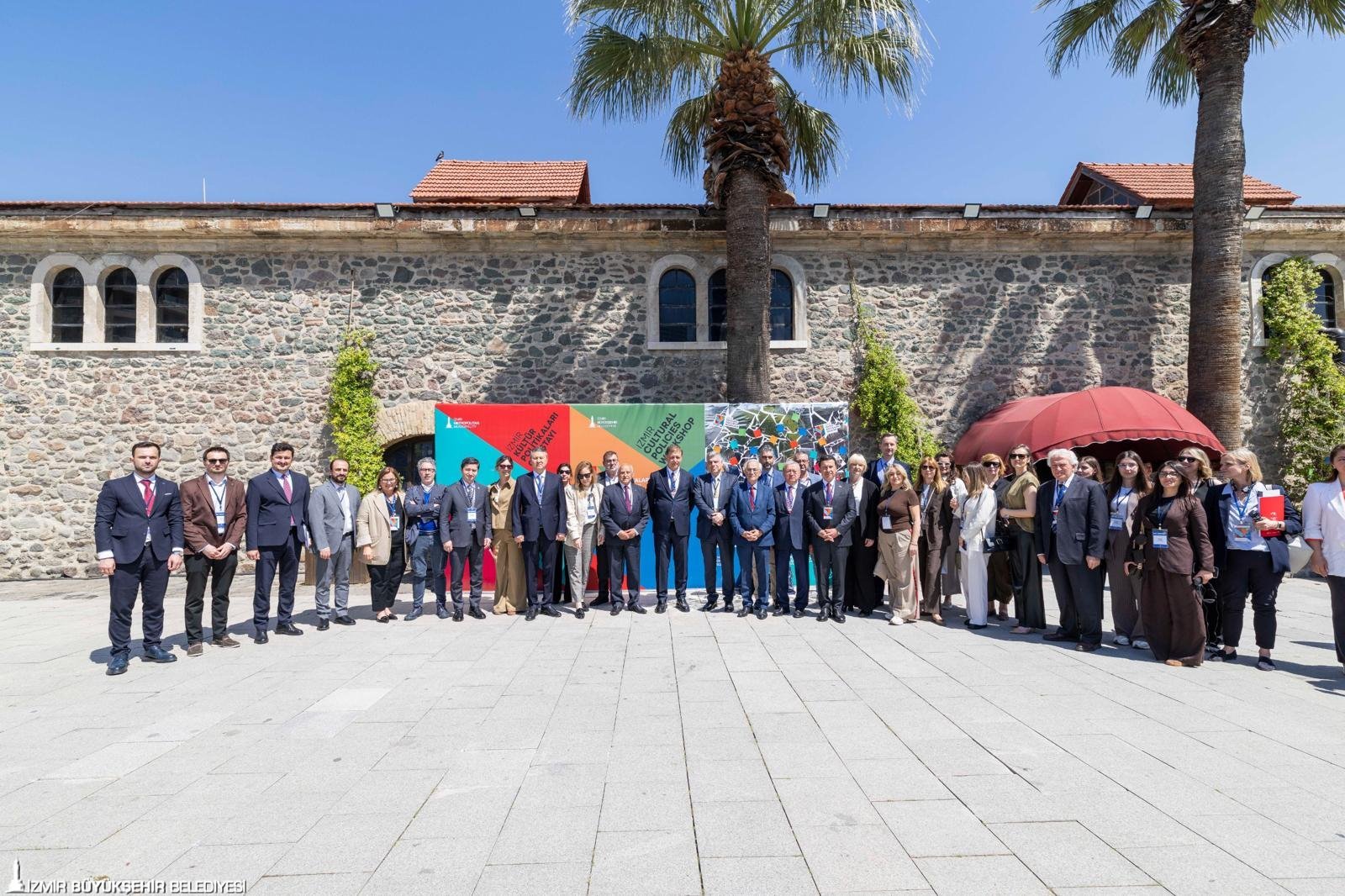
The İzmir Culture Policies Workshop, organized by İzmir Metropolitan Municipality, brought together national and international participants at the Historical Coal Gas Factory. Speaking at the opening of the workshop, the Mayor of İzmir Metropolitan Municipality, Dr. Cemil Tugay, emphasized that culture should be regarded not only as art, but also as a key pillar of equality, democracy, inclusiveness, and development. “With its historical heritage and social dynamism, İzmir deserves to become a much stronger cultural actor at both national and international levels. We aim to carry the city’s cultural heritage into the future on the basis of rights, justice, and sustainability,” Tugay said.
The two-day workshop, organized to establish a planned, data-driven, and holistic cultural policy framework for İzmir, opened with the participation of representatives from the United Cities and Local Governments Culture Committee (UCLG Culture Committee), UNESCO, and ICOMOS, as well as experts from the municipalities of Athens and Zagreb, local government representatives, and specialists from various cities.
Tugay: Let Us Claim Our Rights
Addressing participants at the opening session, Mayor Tugay, who also serves as Vice President of the UCLG Culture Committee, underlined that culture should not be confined to entertainment, artistic activities, or heritage preservation in the context of local governance. “Culture is environment, diversity, inclusiveness, and a resource we turn to in overcoming challenges. Culture is a right, and at the same time, it is also development,” Tugay said. Stressing the need for a rights-based and sustainable approach to cultural governance, Tugay stated that cities today require not only sustainability, but also peace, democracy, human rights, and freedom of thought and expression. “While carrying the world into the future, we must regard culture as an essential element and claim our rights within it,” he added.
“The Distribution of Access to Culture Reveals the Map of Inequality”
Mayor Cemil Tugay said holding the workshop at the Historical Coal Gas Factory carried symbolic significance, recalling that when the facility was established in 1862, İzmir became the first city in the Ottoman Empire to use gas lighting for street illumination. He also noted that the structure was later transformed from an industrial heritage site into a cultural venue and reintegrated into urban life. “How will we decide what should be preserved and what should be transformed in a city? We are organizing this workshop to generate scientific and participatory answers to such questions,” Tugay said. Emphasizing that access to culture reflects broader social inequalities within cities, Tugay stated that culture should be regarded not as a privilege but as a fundamental right. “For many years, culture has remained the missing dimension in discussions on sustainable development,” he added.
Concrete and Applicable Policies
Mayor Tugay stated that the workshop was designed to produce concrete and applicable cultural policies. “In recent years, local governments have become more influential in shaping cultural policies. Culture is no longer a secondary field; it has become a strategic element shaping the quality of urban life, social resilience, and democratic capacity,” he said. Tugay also underlined that cultural policies should be addressed together with social policy, environmental policy, and spatial planning, adding that İzmir has the potential to become a much stronger cultural actor at both national and international levels thanks to its historical heritage and social dynamism.
“It Is No Coincidence That the Workshop Is Held in İzmir”
Stressing that hosting the workshop in İzmir was not coincidental, Tugay said the city’s multicultural history spanning thousands of years provides a unique foundation for discussions on cultural policies. He noted that the legacy extending from Ancient Smyrna to the multilingual commercial life of the Ottoman period and Levantine culture has given İzmir a strong tradition of cultural diversity. Tugay also emphasized that different communities have lived together in the city for centuries.
Recalling that İzmir is home to one of Türkiye’s largest Roma populations, Tugay stated that the cultural heritage and artistic production of the Roma community should become more visible within cultural policies.
“We Must Carry İzmir’s Core Values into the Future”
Mayor Cemil Tugay stated that following the establishment of the Republic, İzmir became one of Türkiye’s leading cities representing modernization, secularism, and contemporary urban life. “Modernity, freedom of thought, and pluralism form the foundation of İzmir’s cultural identity,” Tugay said, adding that the city’s defining values should not only be preserved but also strengthened and carried into the future. He also emphasized that decisions regarding which forms of cultural production are supported and which voices are made visible should be shaped through this perspective.
“A Cultural Actor: İzmir”
Emphasizing that cultural policies should be shaped not only by experts and institutions but through the participation of all actors within the city, Tugay said pluralism, freedom of thought, and participation are among the core values of İzmir’s historical identity. “Through this workshop, we aim to establish a planned, data-driven, and inclusive cultural policy in İzmir,” he stated. Tugay added that the municipality aims to position İzmir as a stronger cultural actor at both national and international levels by developing concrete policies in areas ranging from access to culture to heritage management.
“The Magic Word of Our Era Is Development”
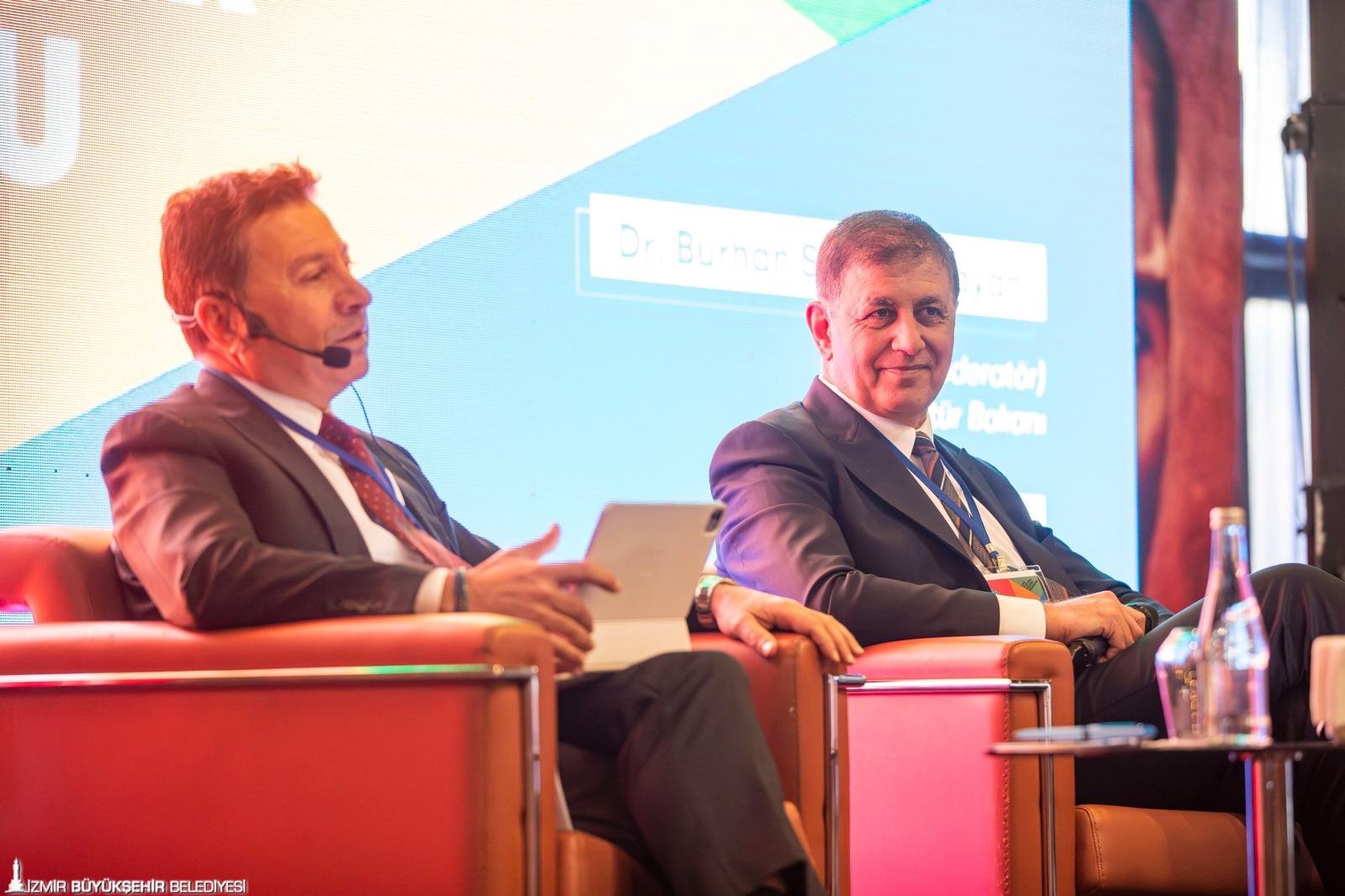
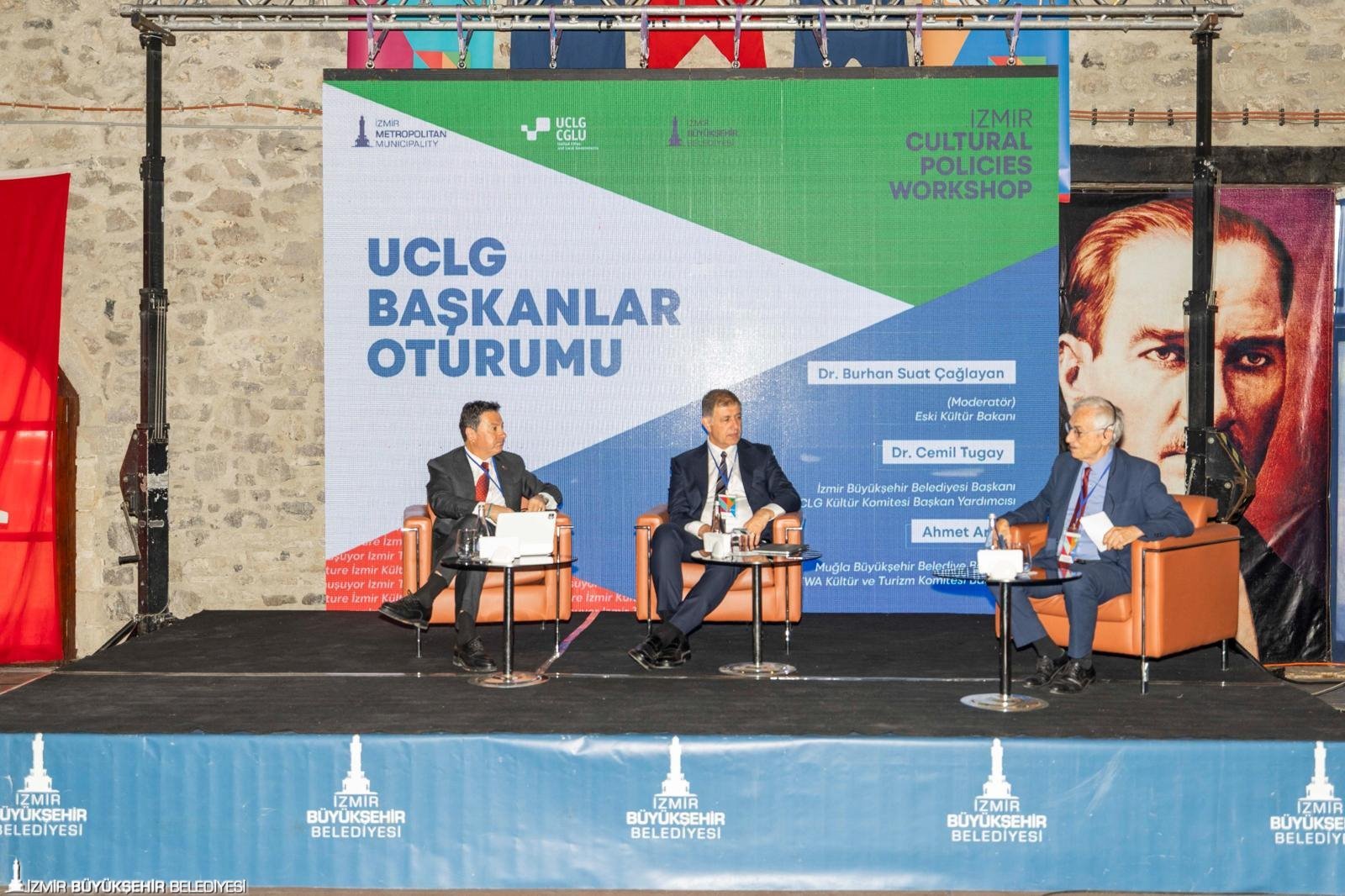
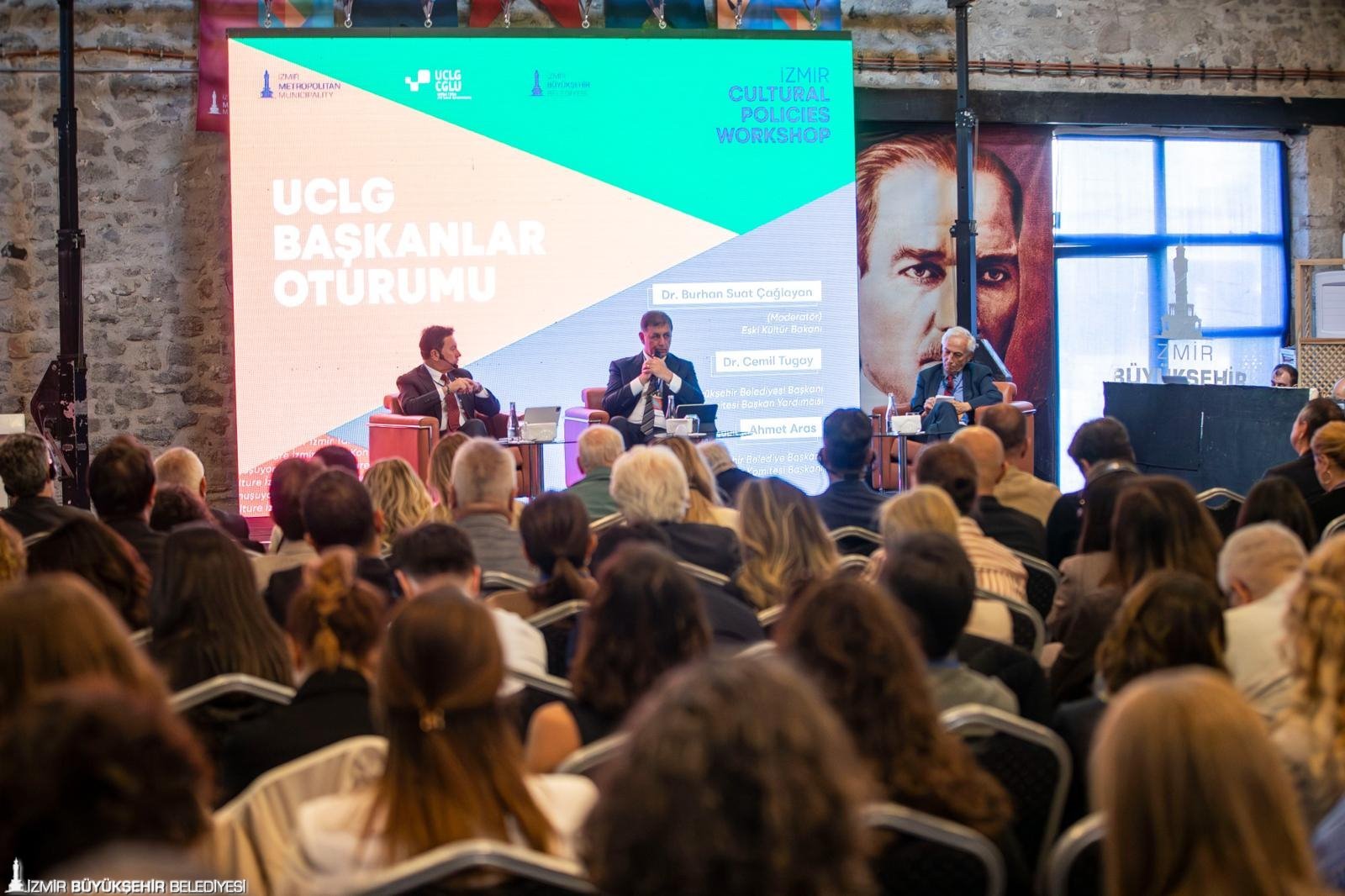
Following the opening speeches, Mayor Tugay also addressed the UCLG Mayors Session moderated by the former Minister of Culture, Dr. Burhan Suat Çağlayan. During the session, Tugay emphasized the importance of local governments benefiting from different urban experiences in order to develop effective policies at the global level. “Development is the magic word of our era,” Tugay said, noting that development should not be understood solely as economic growth, but as a holistic concept encompassing quality of life, democracy, equality, inclusiveness in public services, harmony with nature, and sustainability. He stressed that culture should be regarded as one of the key pillars of this understanding of development, describing it both as a field that generates economic value and one that strengthens social life and local identities.
İzmir’s Cultural Report Card To Be Measured
Stating that culture encompasses not only art but also the ways societies relate to the world and shape shared values, Tugay said environmental policies are also shaped by cultural approaches. Referring to the work carried out under the United Cities and Local Governments Culture Committee “Culture 2030” agenda, Tugay noted that culture is not currently included as a separate category within the United Nations Sustainable Development Goals and that efforts are underway to define culture as the 18th goal. Tugay announced that İzmir would prepare its own “cultural report card” within this framework. The report will measure issues such as access to cultural services and the participation of individuals with disabilities in cultural rights, with the data to be shared publicly on an annual basis.
“Cultural Policies Cannot Be Shaped Through Blanket Approaches”
Speaking during the session, the Mayor of Muğla Metropolitan Municipality and the Chair of the UCLG-MEWA Culture and Tourism Committee, Ahmet Aras stated that while cities have become increasingly important in recent years, generalized national policies remain insufficient in addressing local needs.
Aras emphasized that blanket and populist approaches can harm cities and underlined that each city should develop cultural policies based on its own dynamics.
“Cultural policies cannot be shaped through blanket approaches,” Aras said. He also stressed the importance of strengthening local governments and increasing their financial capacities, adding that culture is a value that transcends politics and belongs collectively to society and history. According to Aras, a participatory model led by municipalities and involving academia, central government institutions, civil society, and international organizations is essential; otherwise, policies risk being shaped from a narrow perspective.
The Workshop Began with a Draft Cultural Policy Document
The first day of the workshop continued with a panel on global trends in cultural policies and six thematic roundtable sessions. On 8 May, participants will attend a session examining international cultural governance plans, followed by a second round of thematic discussions aimed at producing concrete policy recommendations.
Prepared as the workshop’s discussion framework, the Draft İzmir Metropolitan Municipality Cultural Policy Document was built around six main themes: “Defining Culture as a Right and Access to Culture,” “Cultural Governance and Institutional Capacity Building,” “Cultural Economy and Creative Industries,” “Protection and Adaptive Reuse of Cultural Heritage,” “Climate Crisis, Ecology and Cultural Policies,” and “Digitalization, New Technologies and Cultural Policies.”
Each theme includes both concrete policy proposals and discussion questions addressing areas of choice and structural challenges. The document was designed not as a finalized text, but as the starting point of a collaboratively developed policy process. The workshop is also shaped within an international network aligned with Mayor Tugay’s role as Vice President of the UCLG Culture Committee. The thematic sessions bring together academics, independent artists, representatives of professional organizations, civil society actors, cultural economy professionals, heritage experts, and municipal administrators. Designed as the starting point for establishing a planned, data-driven, and holistic cultural policy framework for İzmir, the workshop aims to produce concrete policy outcomes in areas ranging from access to culture and heritage management to cultural economy and climate policy, while positioning İzmir as a stronger cultural actor at both national and international levels.
İzmir Hosts International Ceramic Workshop
Thursday, October 8, 2026
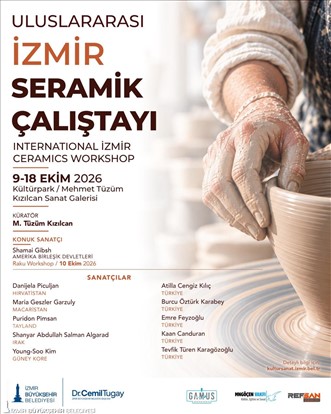
İzmir will bring together artists from around the world for the International İzmir Ceramic Workshop that will take place between October 9 and 18.
Detaya Git
İzmir Comes Together Through the Healing Power of Literature
Tuesday, September 29, 2026
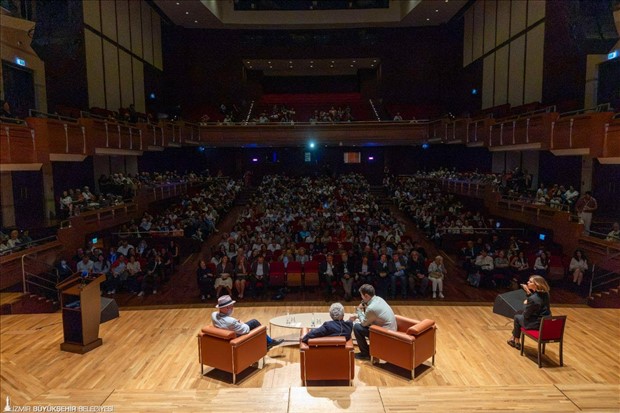
The 10th İzmir International Literature Festival hosted talks, documentary screenings, theater performances, and a variety of artistic events over four days under the theme “Literature Heals”.
Detaya Git
Visit to Mayor Tugay by Gaarder, Ambassador of the Kingdom of Norway to Türkiye
Thursday, September 24, 2026
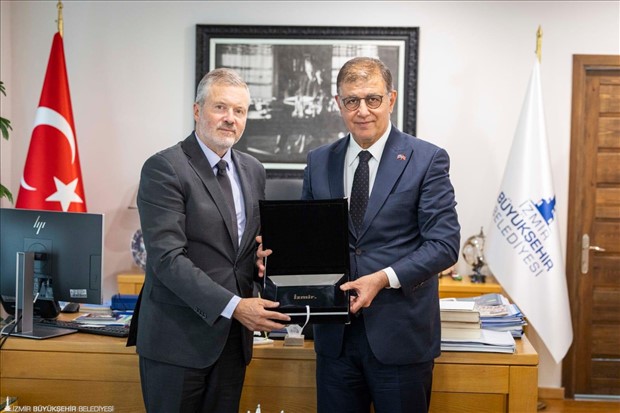
Mayor of İzmir Metropolitan Municipality Dr. Cemil Tugay welcomed Andreas Gaarder, Ambassador of the Kingdom of Norway to Türkiye, to his office and emphasized the importance of strengthening relations between İzmir and Norwegian cities.
Detaya Git
Literary Masters Manguel and Livaneli Will Meet in İzmir
Friday, September 18, 2026
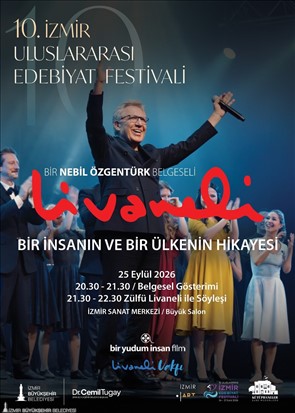
For the past 10 years, İzmir Metropolitan Municipality has brought the international literary community together with the people of İzmir. This year, İzmir International Literature Festival will welcome two of the world’s leading literary figures, Alberto Manguel and Zülfü Livaneli.
Detaya Git


 Information Policies