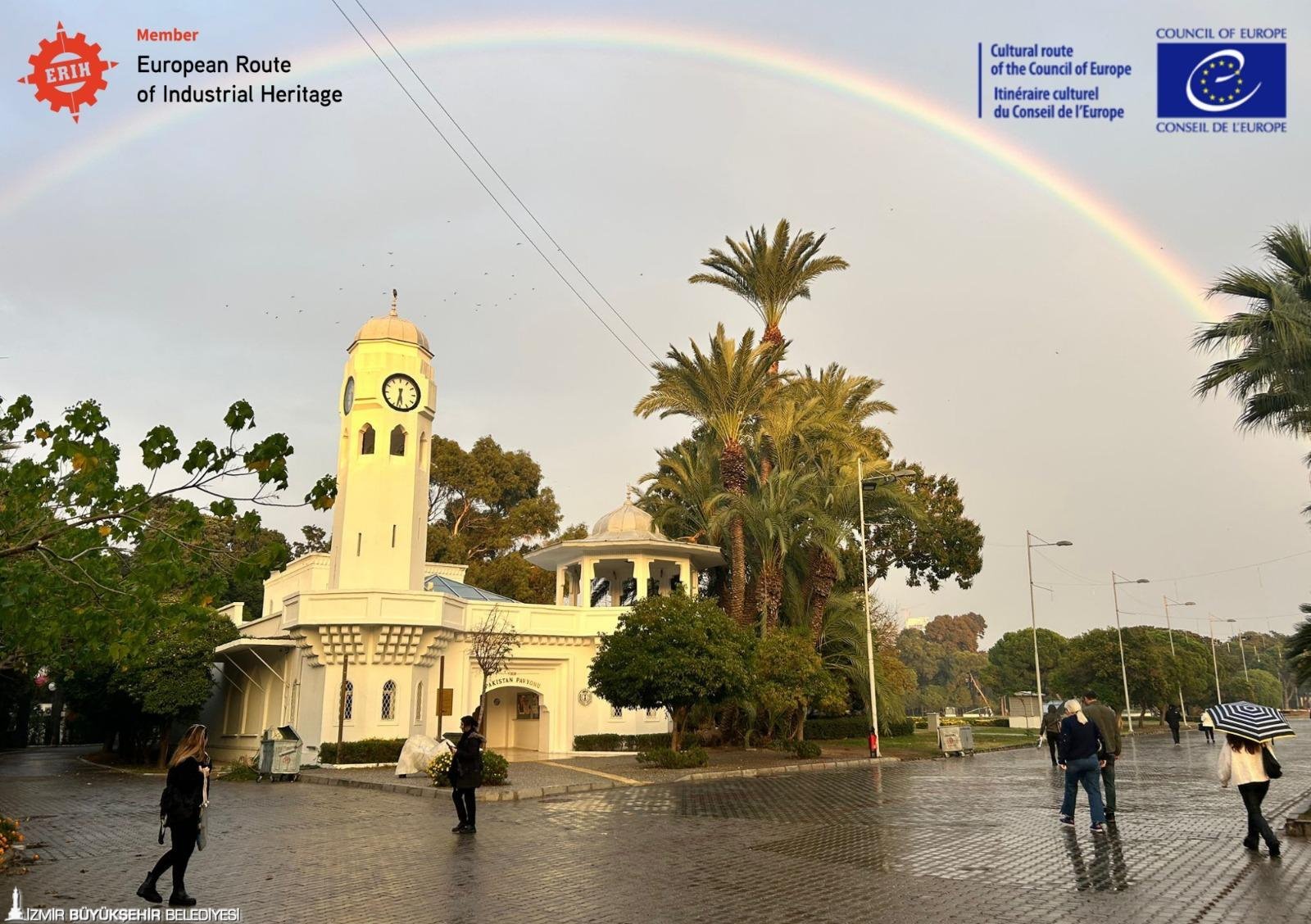
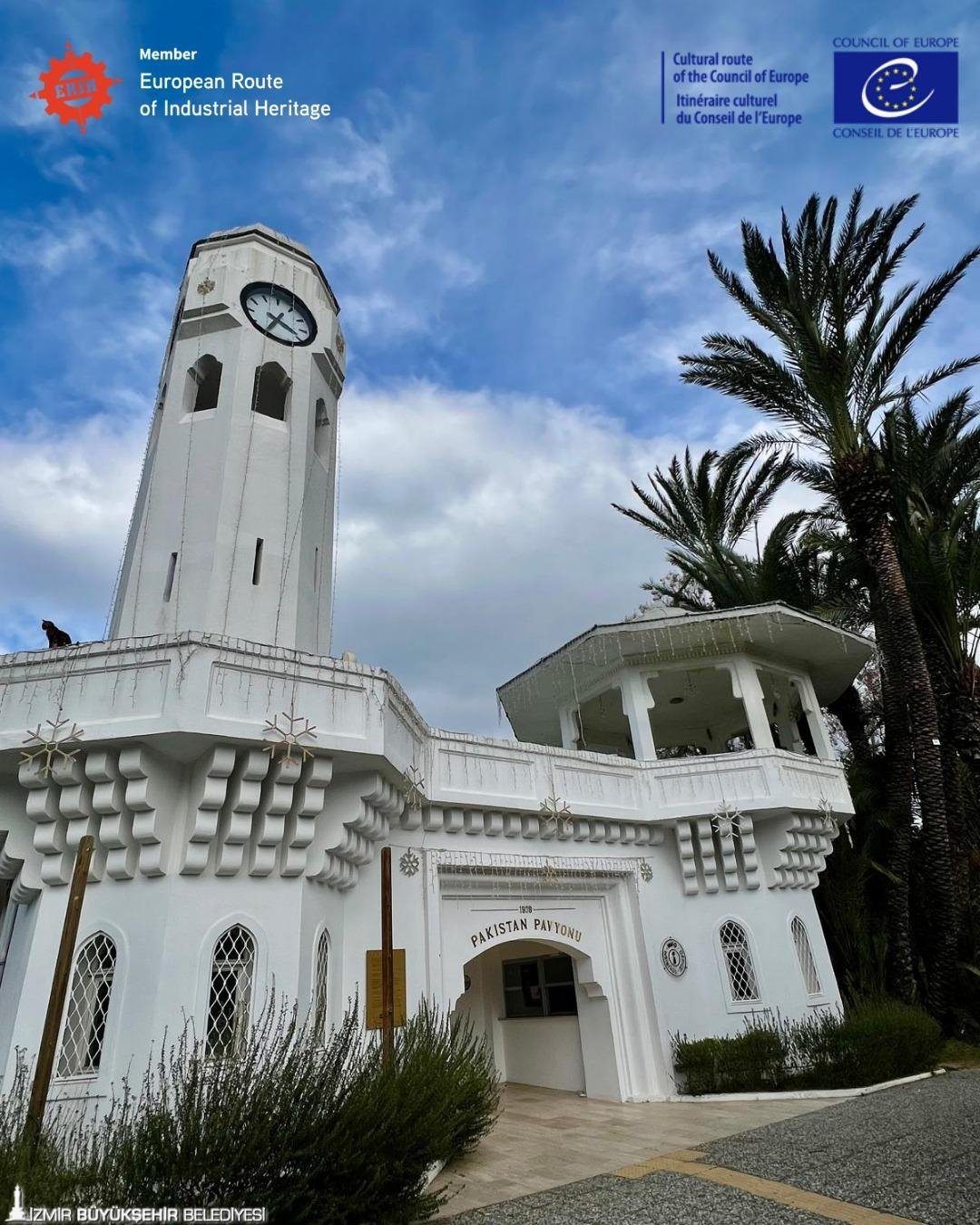
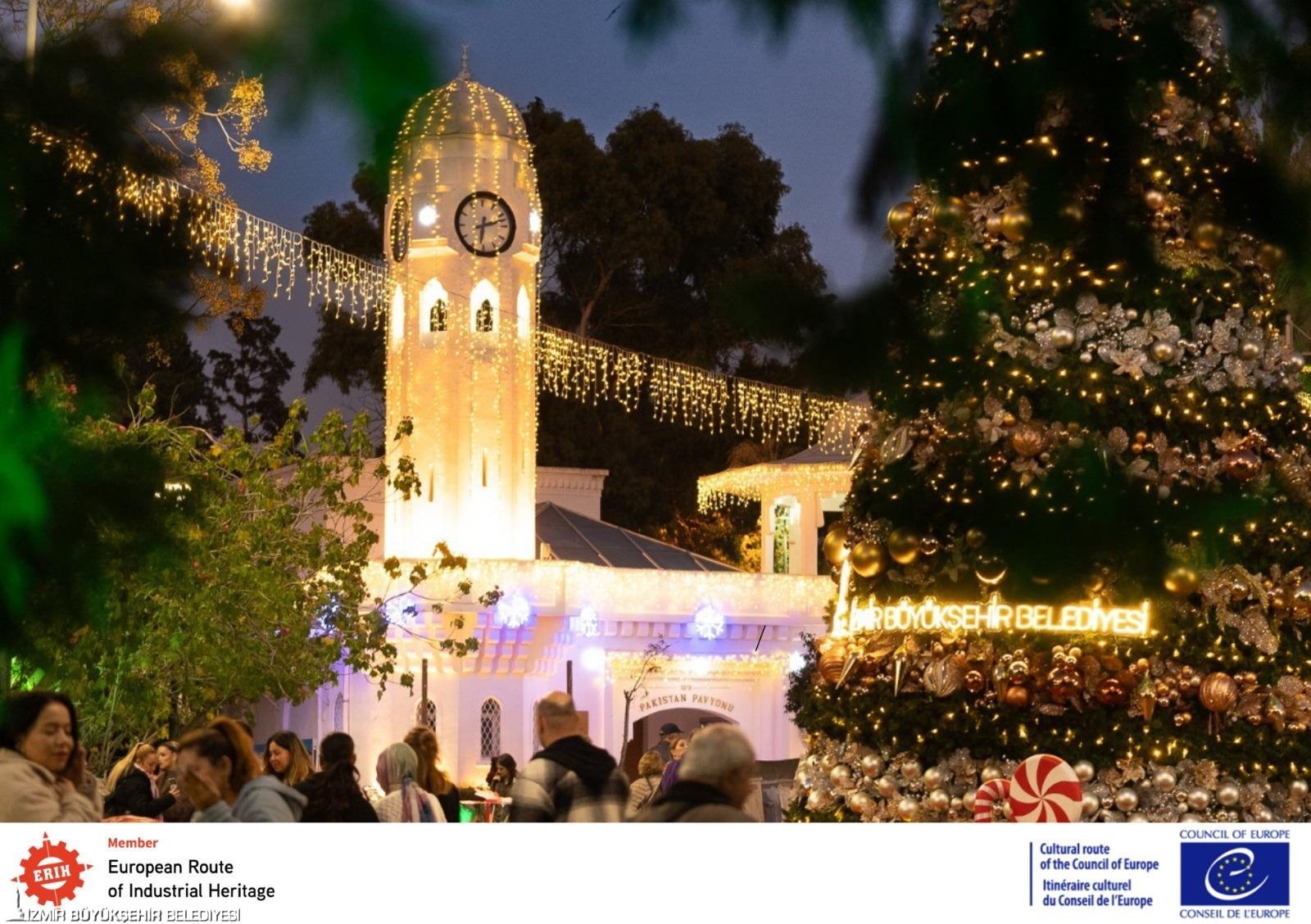
With the inclusion of Pakistan Pavilion, one of Kültürpark’s landmark buildings, in the European Route of Industrial Heritage (ERIH), the number of İzmir’s registered heritage sites within the network has risen to four, further reinforcing the city's industrial and cultural heritage on the international stage.
İzmir Metropolitan Municipality’s efforts to preserve and promote the city’s historical and industrial heritage have achieved another international milestone. Following the official admission of Historical Coal Gas Factory, Historical Elevator, and Ahmet Piriştina City Archive and Museum (APİKAM) to the European Route of Industrial Heritage (ERIH), Pakistan Pavilion, one of Kültürpark’s iconic buildings, has now also joined Europe’s prestigious industrial heritage tourism network.
Recognized as one of the Cultural Routes of the Council of Europe, ERIH is an international information and tourism network that brings together some of Europe's most significant industrial heritage sites. Thanks to the dedicated work carried out by the Directorate of Tourism under the Department of Culture, Arts and Social Affairs of İzmir Metropolitan Municipality, the inclusion of Pakistan Pavilion once again demonstrates İzmir’s commitment to preserving its industrial and exhibition heritage.
Four Historic Landmarks Preserving the City's Memory
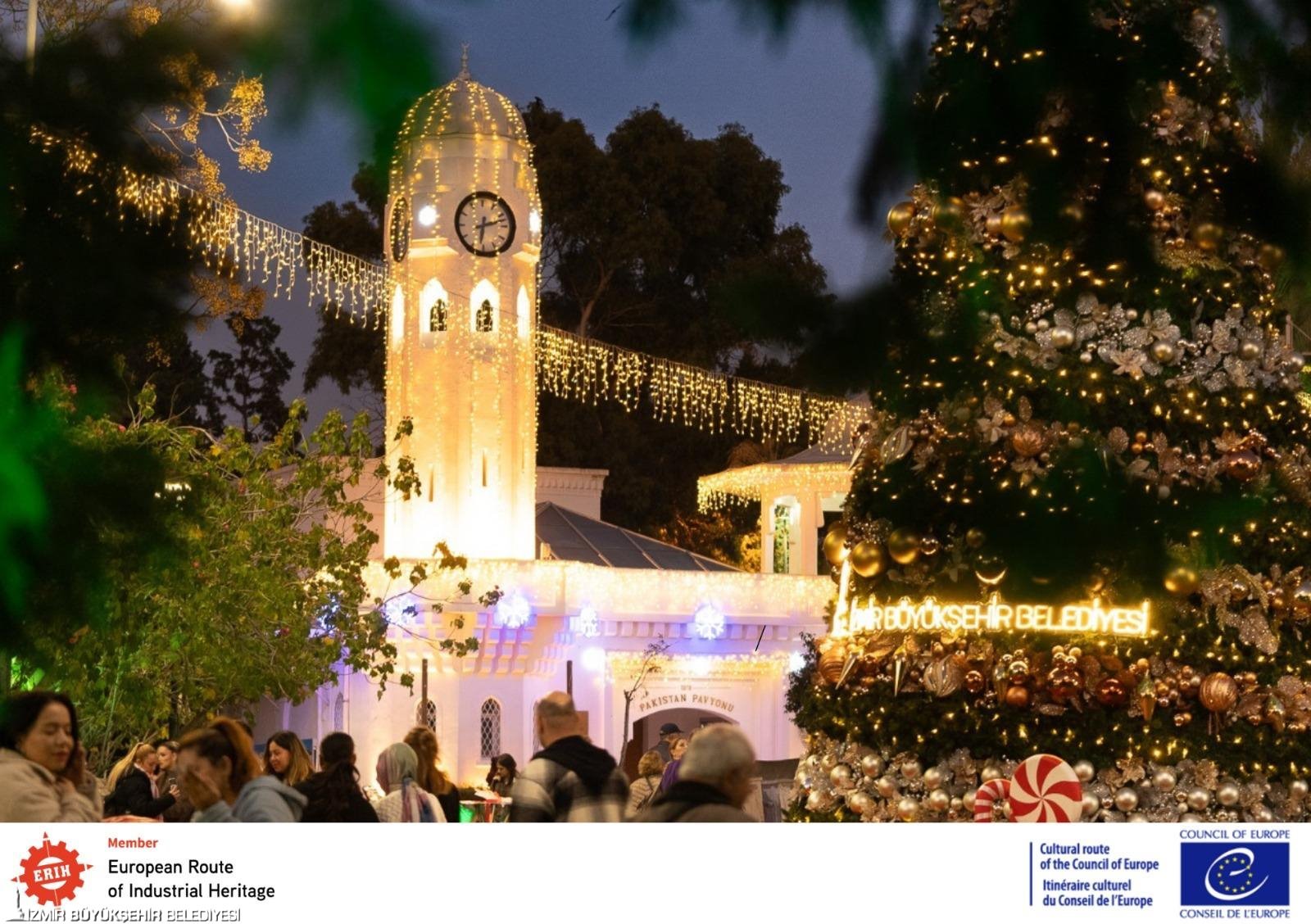
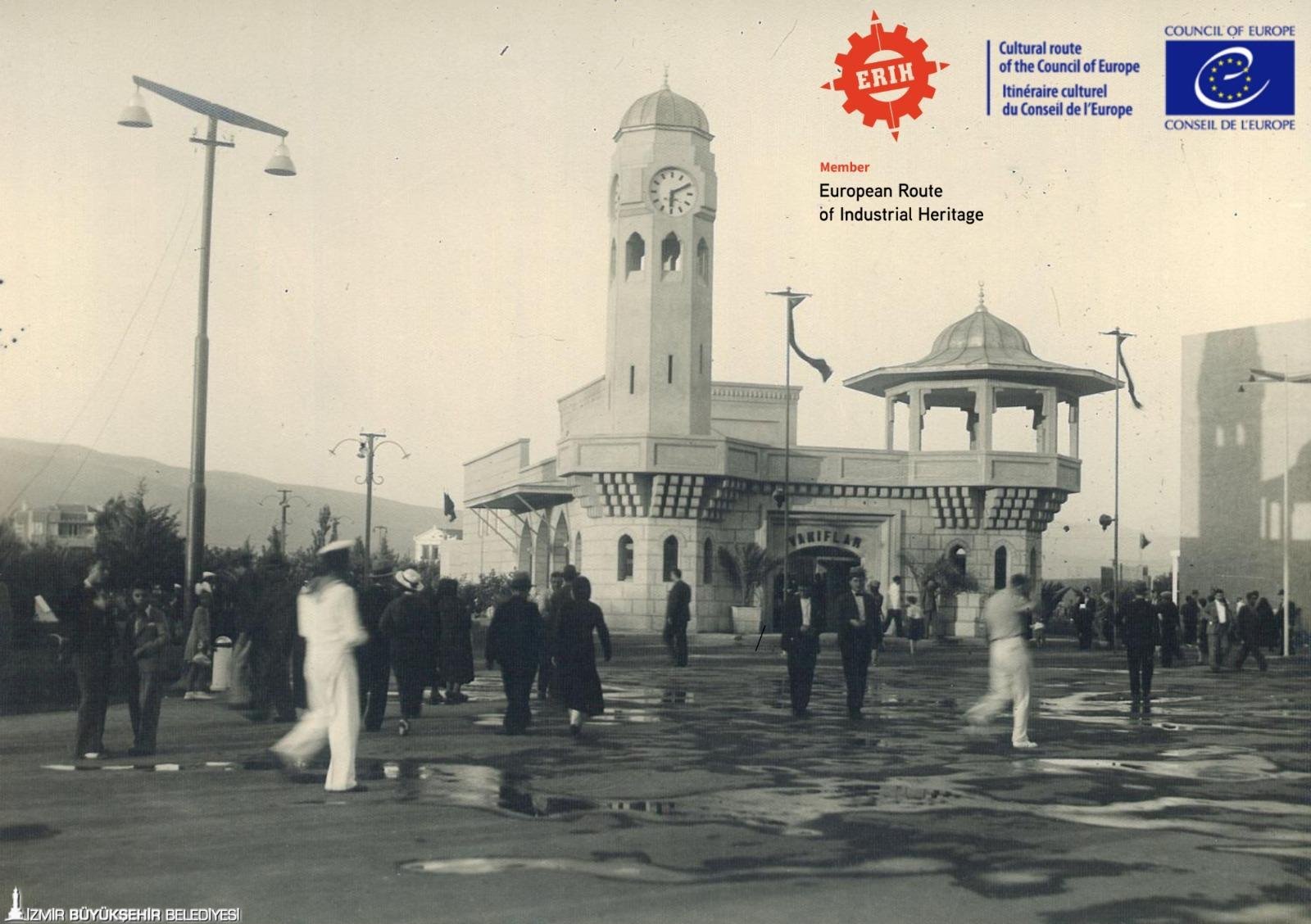
With this latest addition, the number of İzmir sites included in the route has increased to four. Located in Kültürpark, the heart of İzmir’s international trade tradition and urban memory, Pakistan Pavilion is distinguished by its unique architecture and its reflection of the exhibition infrastructure of its time. As a lasting symbol of the city’s international trade vision, the pavilion, together with İzmir’s other ERIH sites, is set to attract tourists and researchers from around the world.
The Pakistan Pavilion and Clock Tower
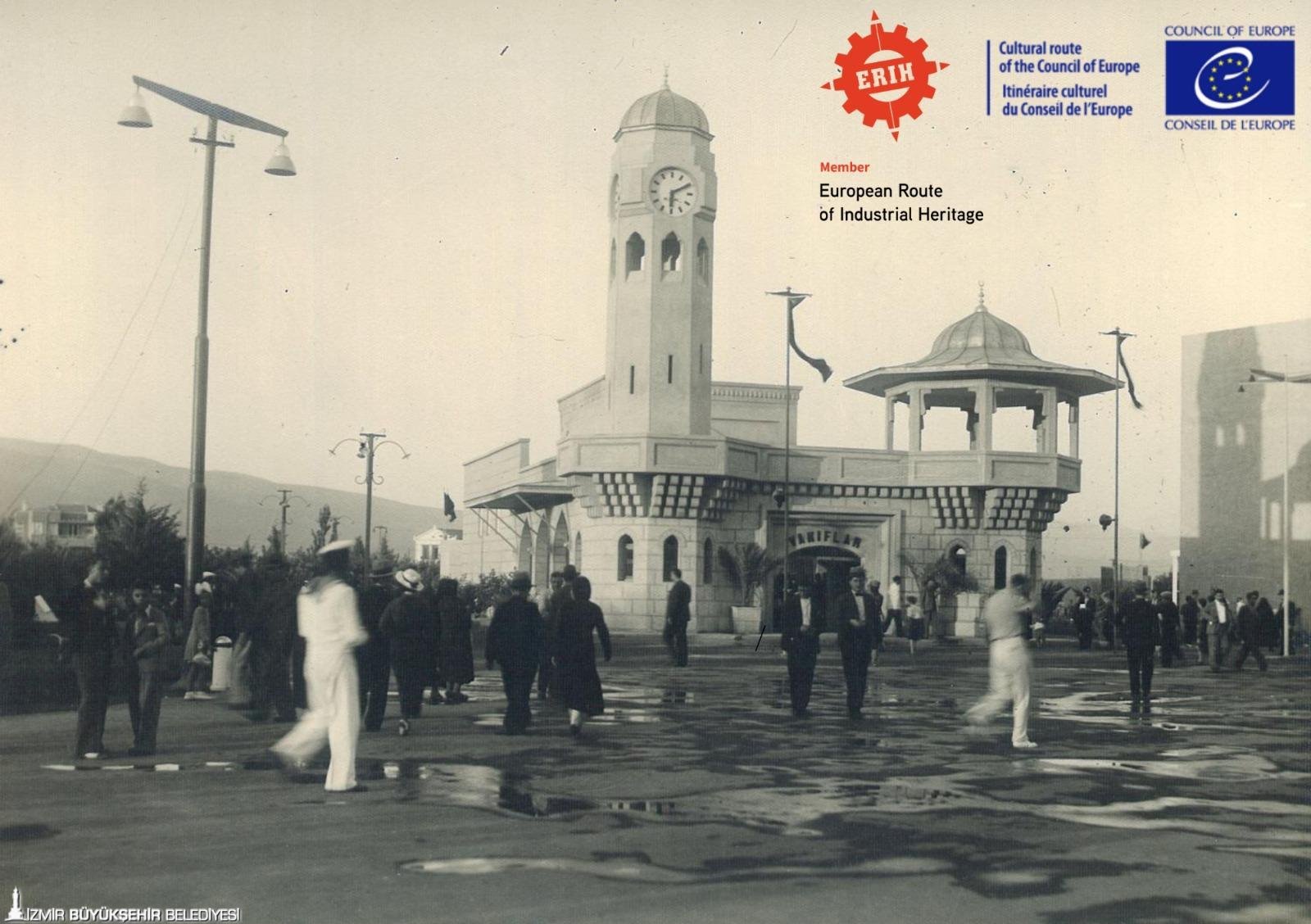
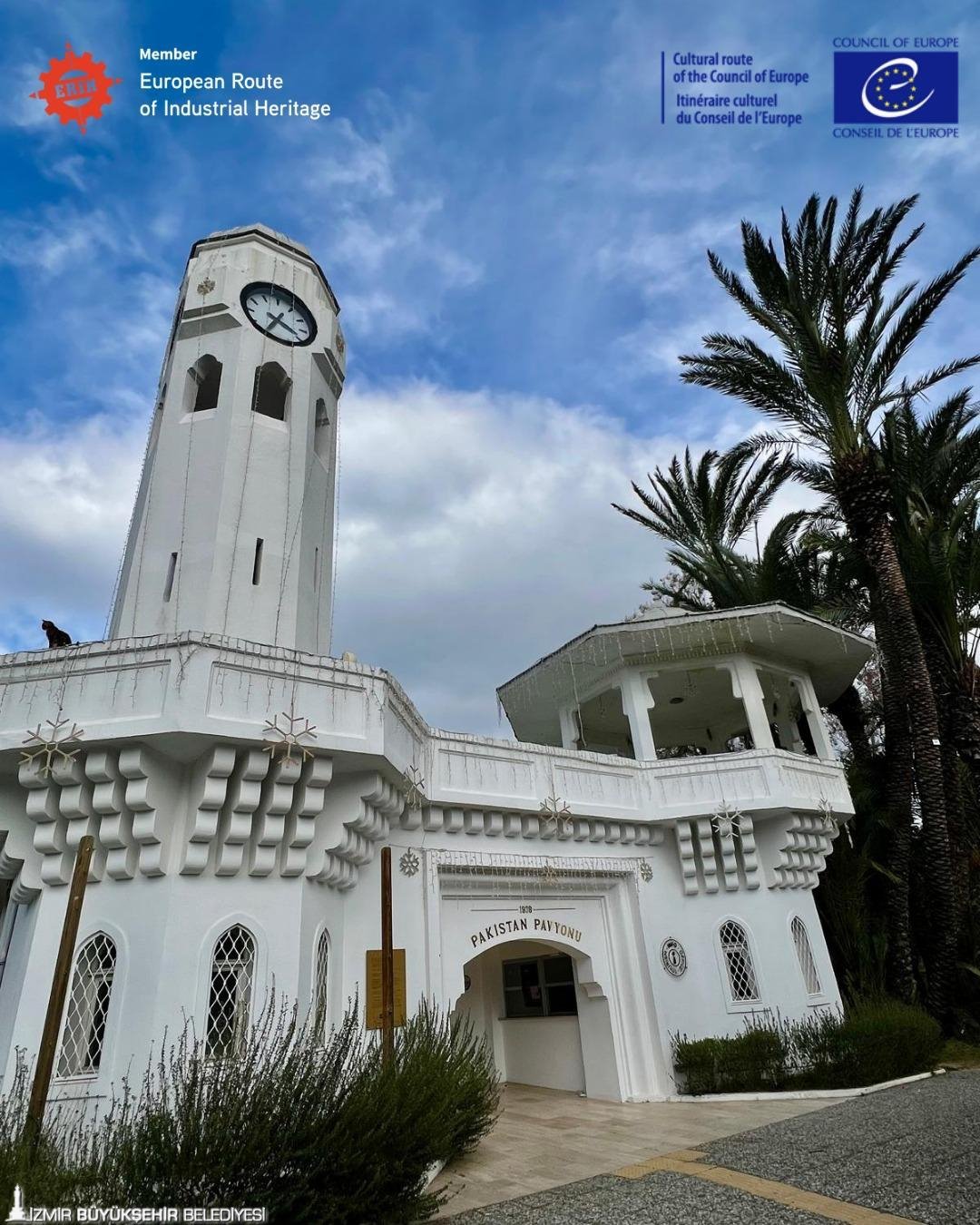
Designed by Harbi Hotan, the building was originally known as Evkaf (Foundations) Pavilion. During İzmir International Fair, it was allocated to the international exhibitions of India and Pakistan. As it was used by Pakistan for many years, it eventually became known as Pakistan Pavilion. The clock mounted on the building, designed by Mustafa Şem’i Pek, was stolen in the 1970s. During the restoration works carried out by the Directorate of Tourism in 2021, the clock was
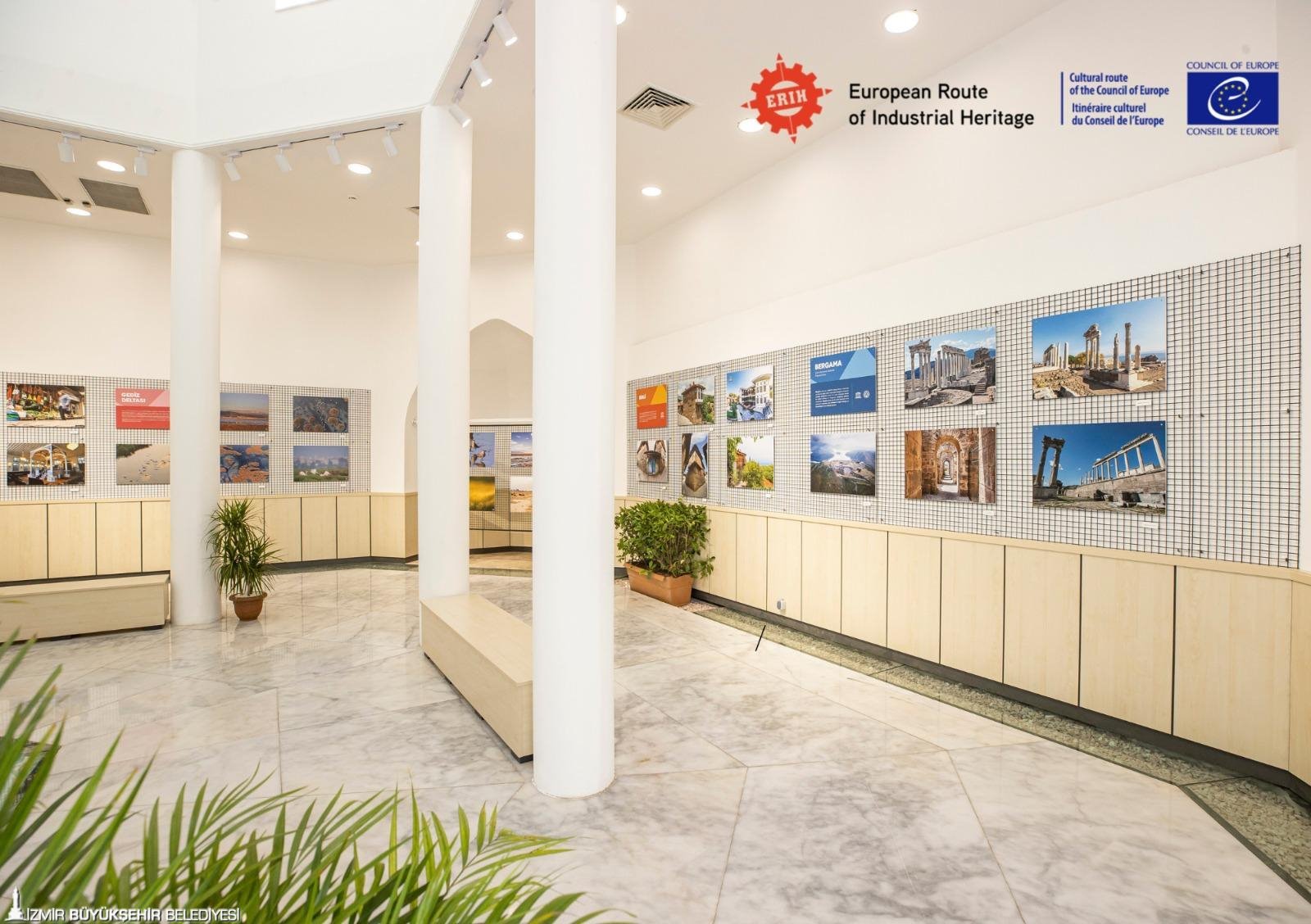
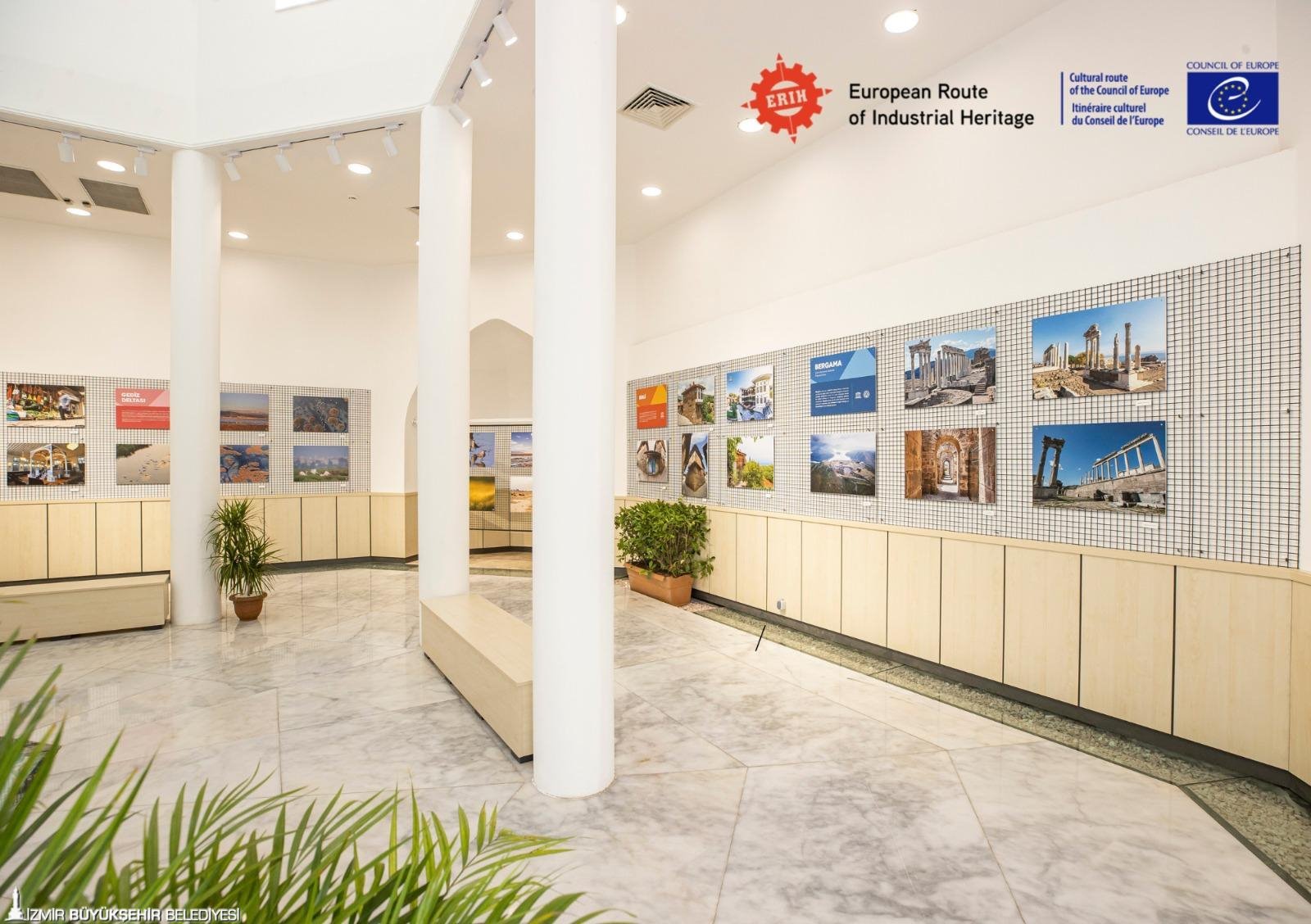
reconstructed in accordance with its original design. The exhibition area was also redesigned, and a new architectural lighting system was installed.
Today, Pakistan Pavilion serves as a Tourism Information Office and Exhibition Hall under the Directorate of Tourism. Until today, it has hosted 34 exhibitions and welcomed 198,000 domestic and international visitors.


 Information Policies